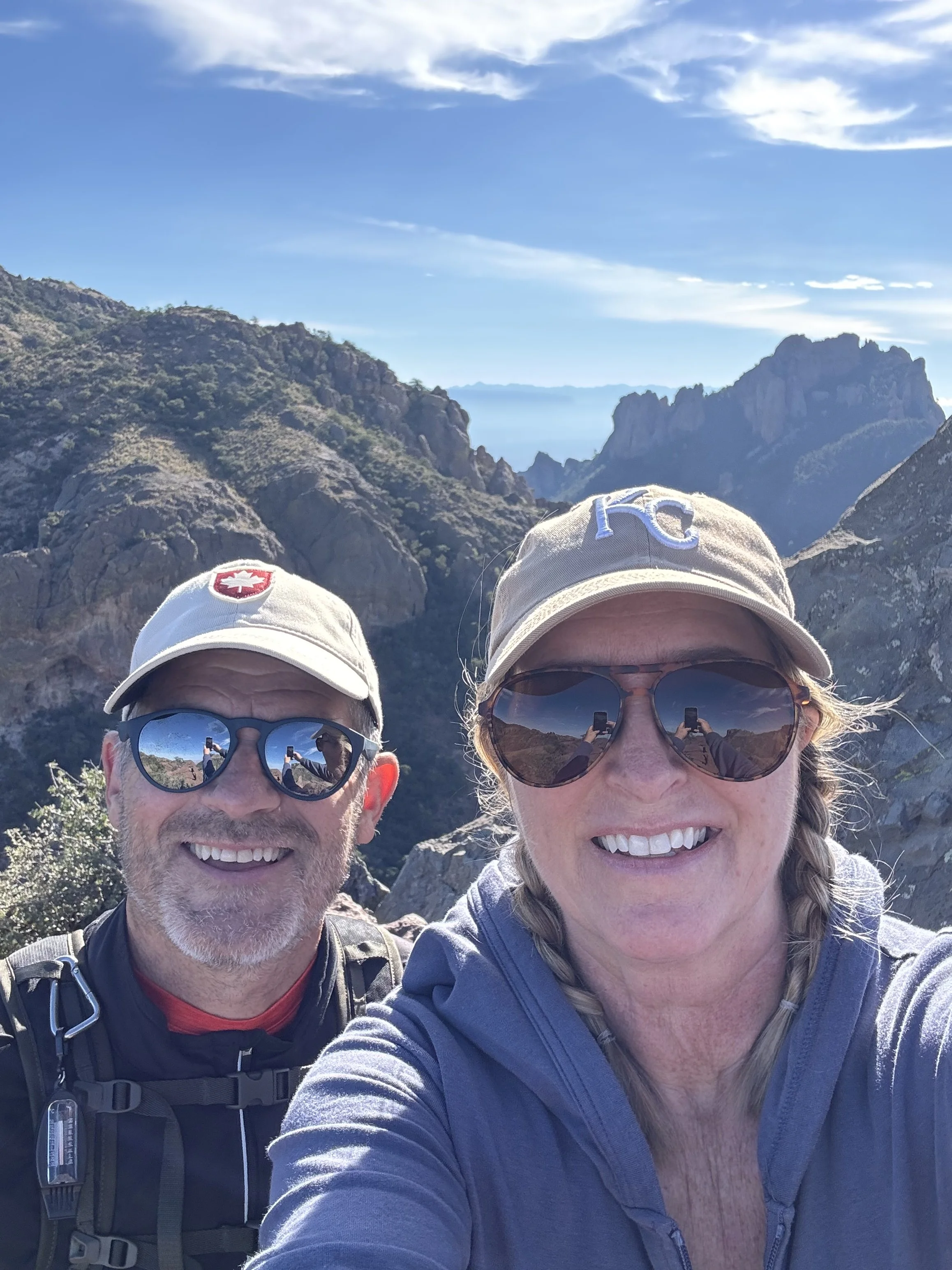
“Surprised!”
That is the best word to describe our reaction to Big Bend.
Given its location in the Chihuahuan desert along the Rio Grande river in southwestern Texas, we were expecting a whole lot of dust, dirt, cactus, and not much else. To be sure, Big Bend does have all those things in spades. The surprise comes with the other things the park also has in abundance.
Rangers describe the park as consisting of three main ecosystems….the desert, the mountains, and the river. Turns out, this is a pretty good encapsulation of what you will find.
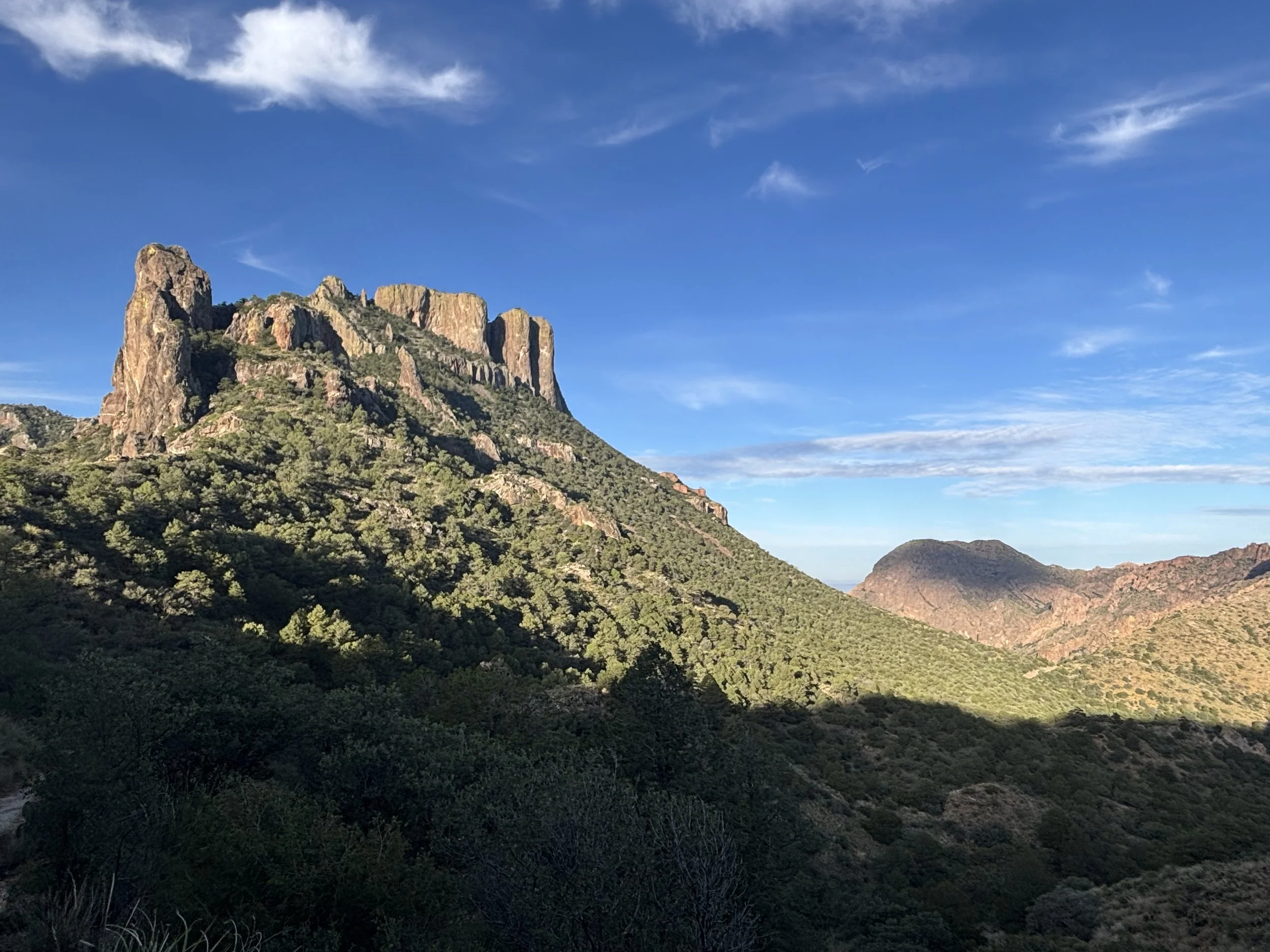
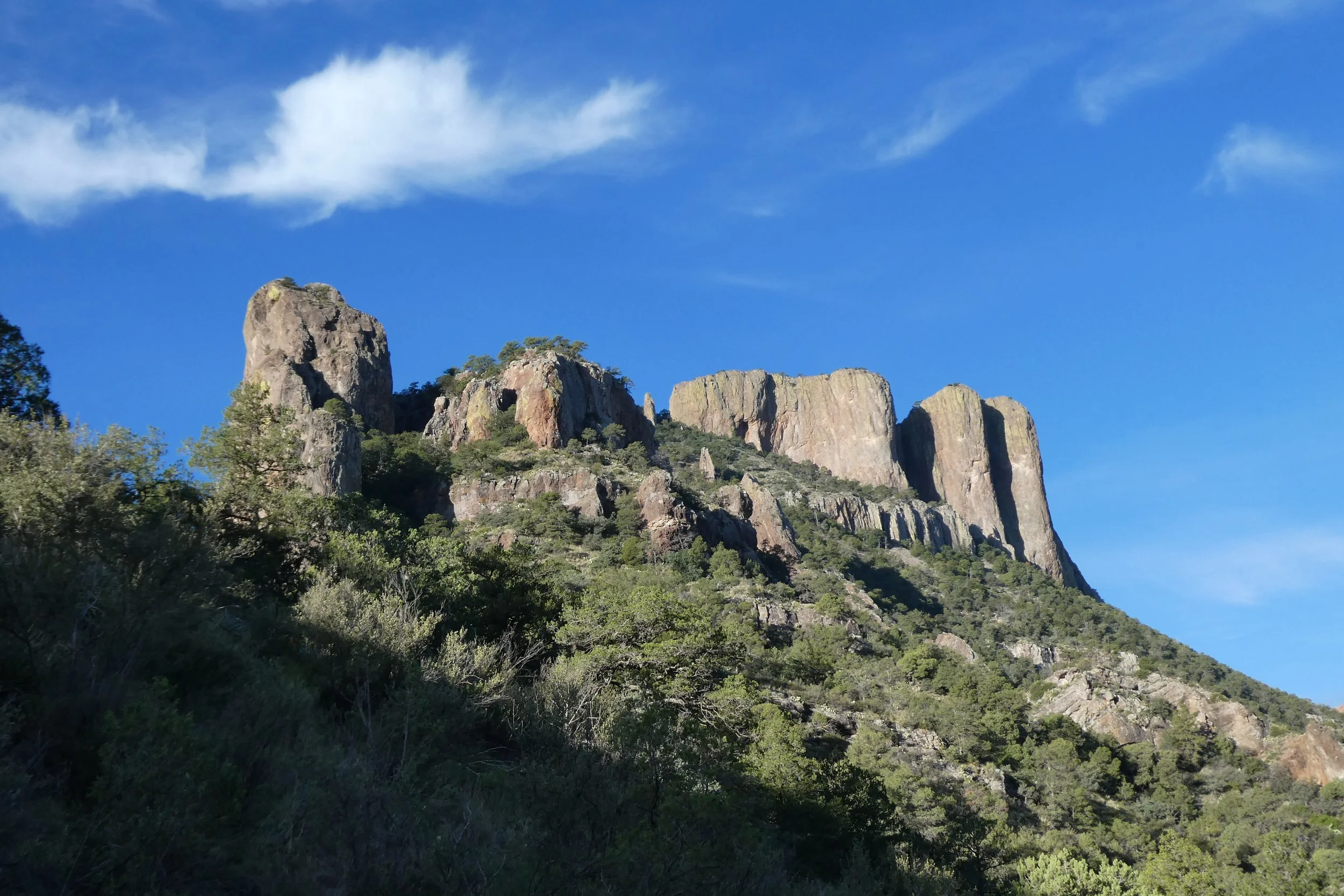
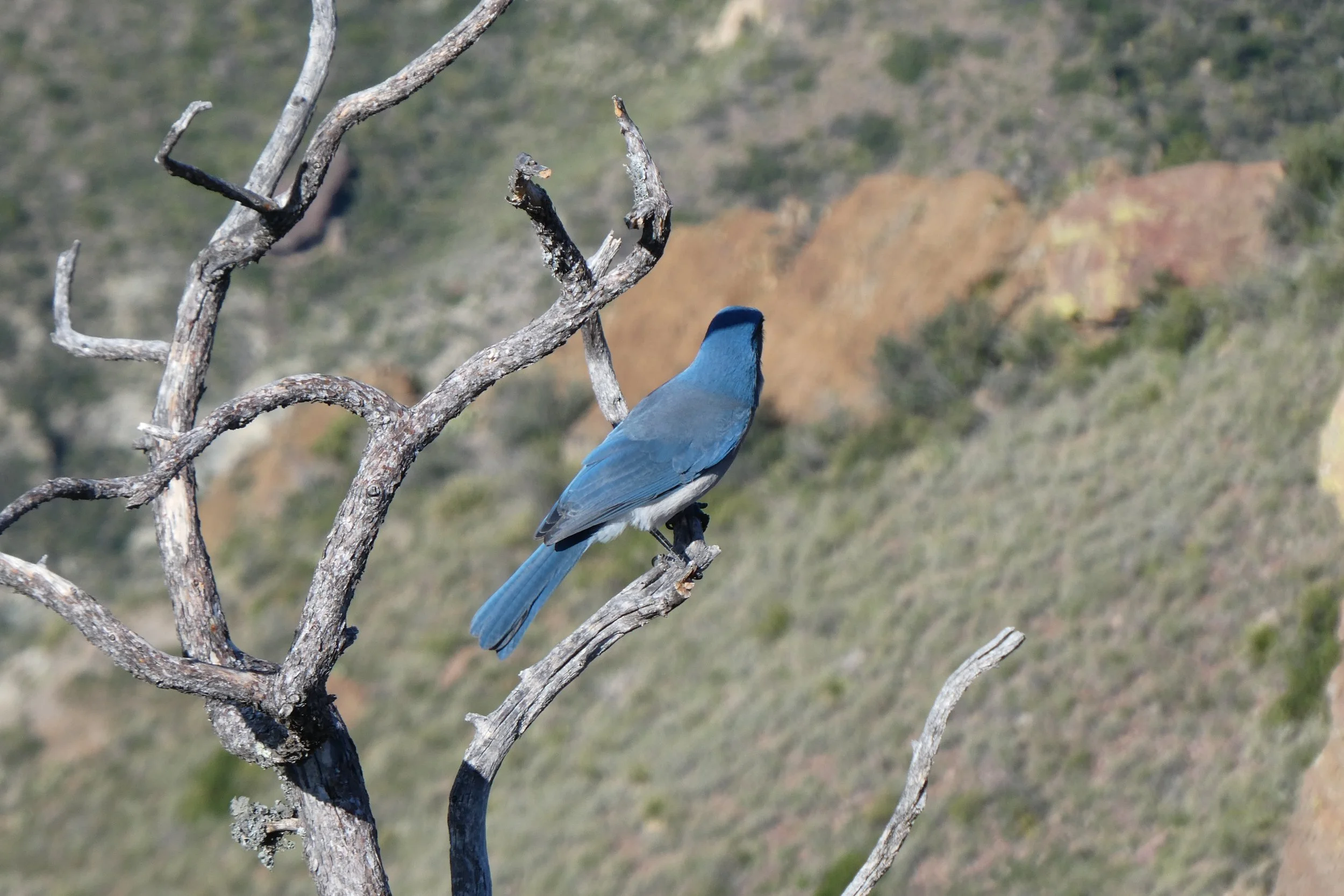
In the middle of the park lie the Chisos Mountains. Rising to nearly 8,000 feet, the mountains tower over the rest of the landscape which sits at about 2,000 feet above sea level. Given their altitude, the mountains support a wide range of vegetation including Douglas Firs, Aspens, Arizona Cypress, Maples, and Ponderosa Pines creating a green oasis in an otherwise arid place.
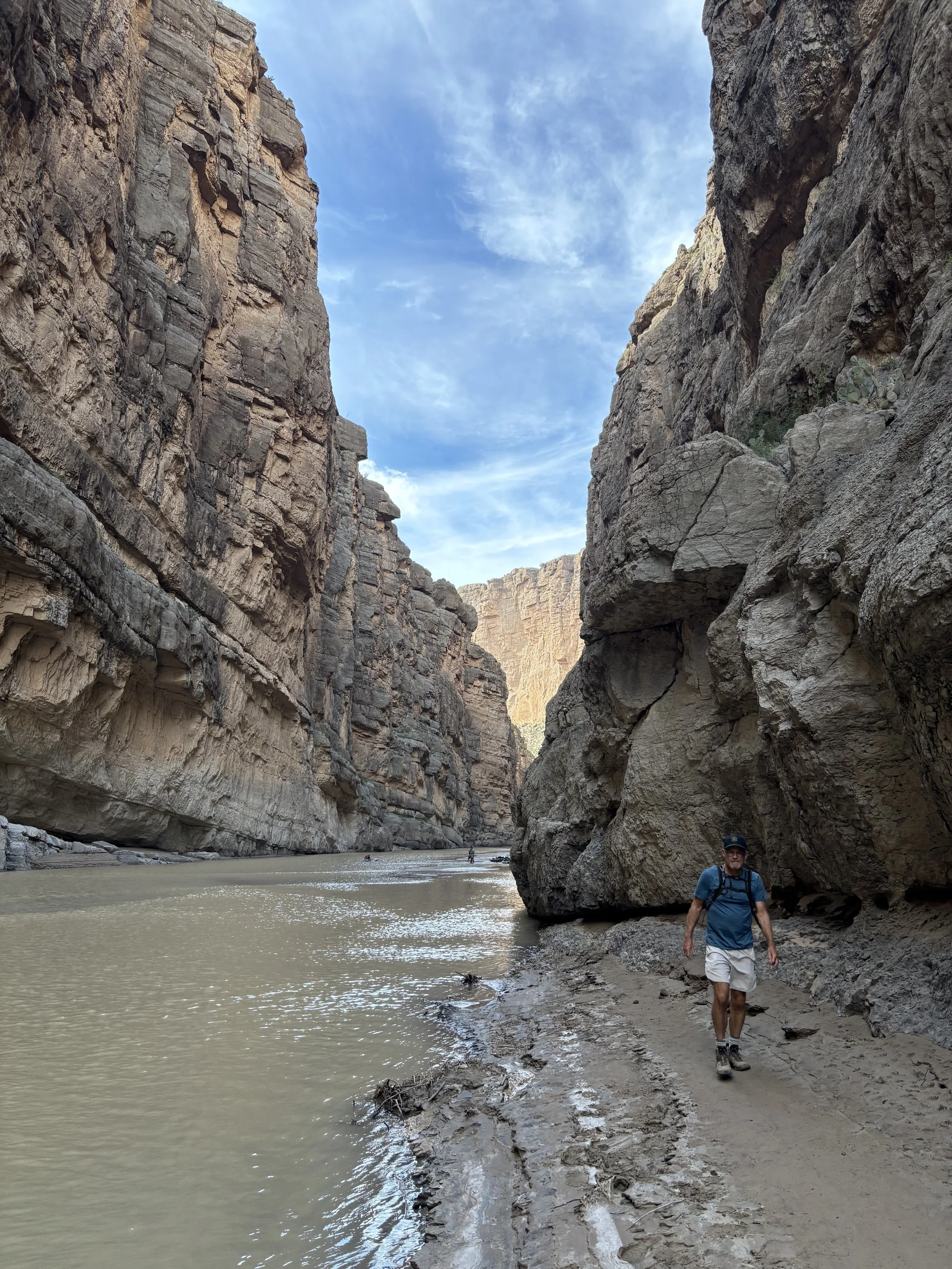
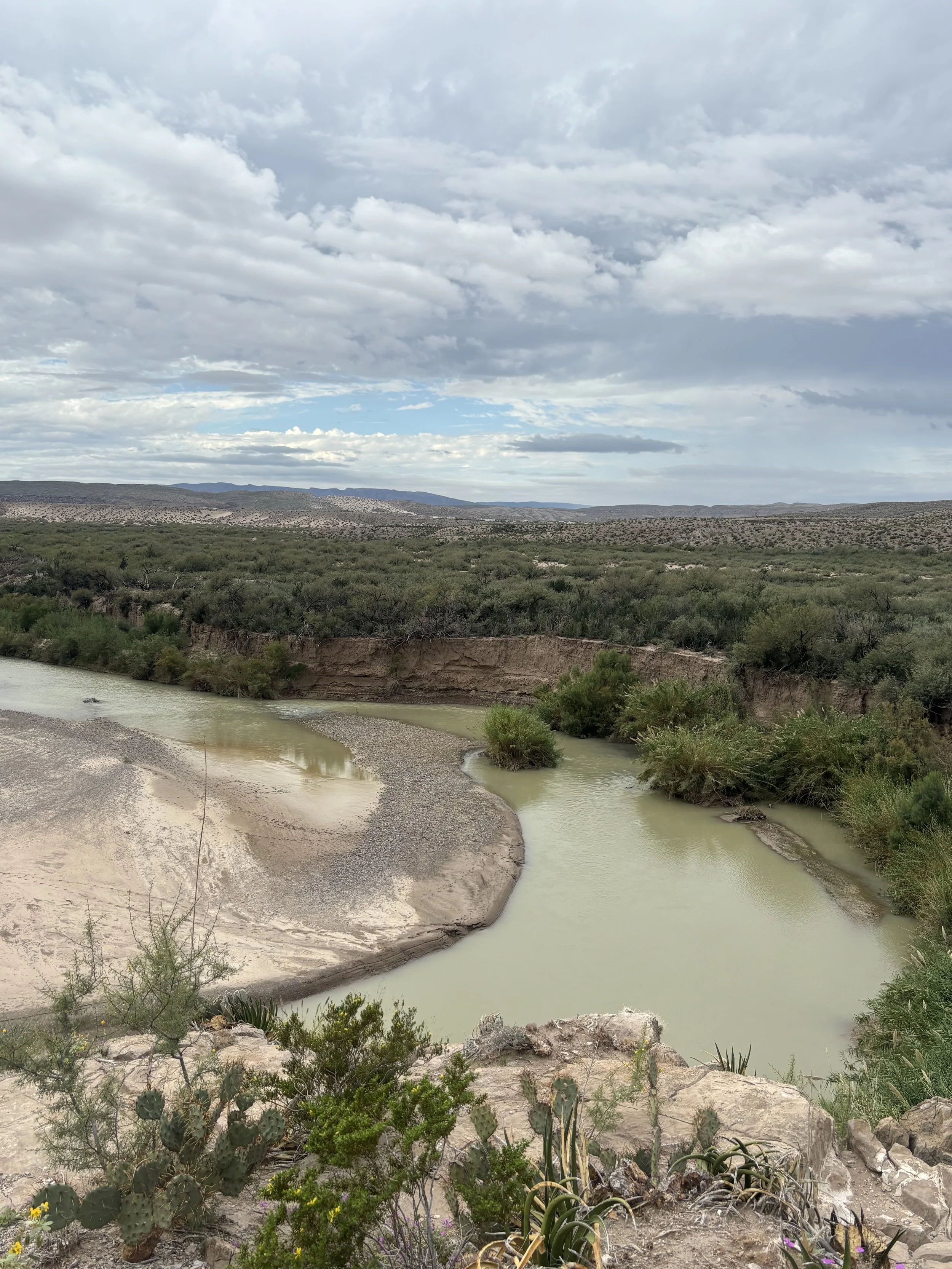
The Rio Grande River marks the southern boundary of the park, and, of course, the international boundary with Mexico. It flows through enormous canyons and is lined with an amazing array of water-loving plants and trees that would be unable to survive even a couple of miles away from the banks of the river.
Everything else in the 800,000 acres is some form of desert.
Each area provides its own opportunity for things to see and do.
The Mountains
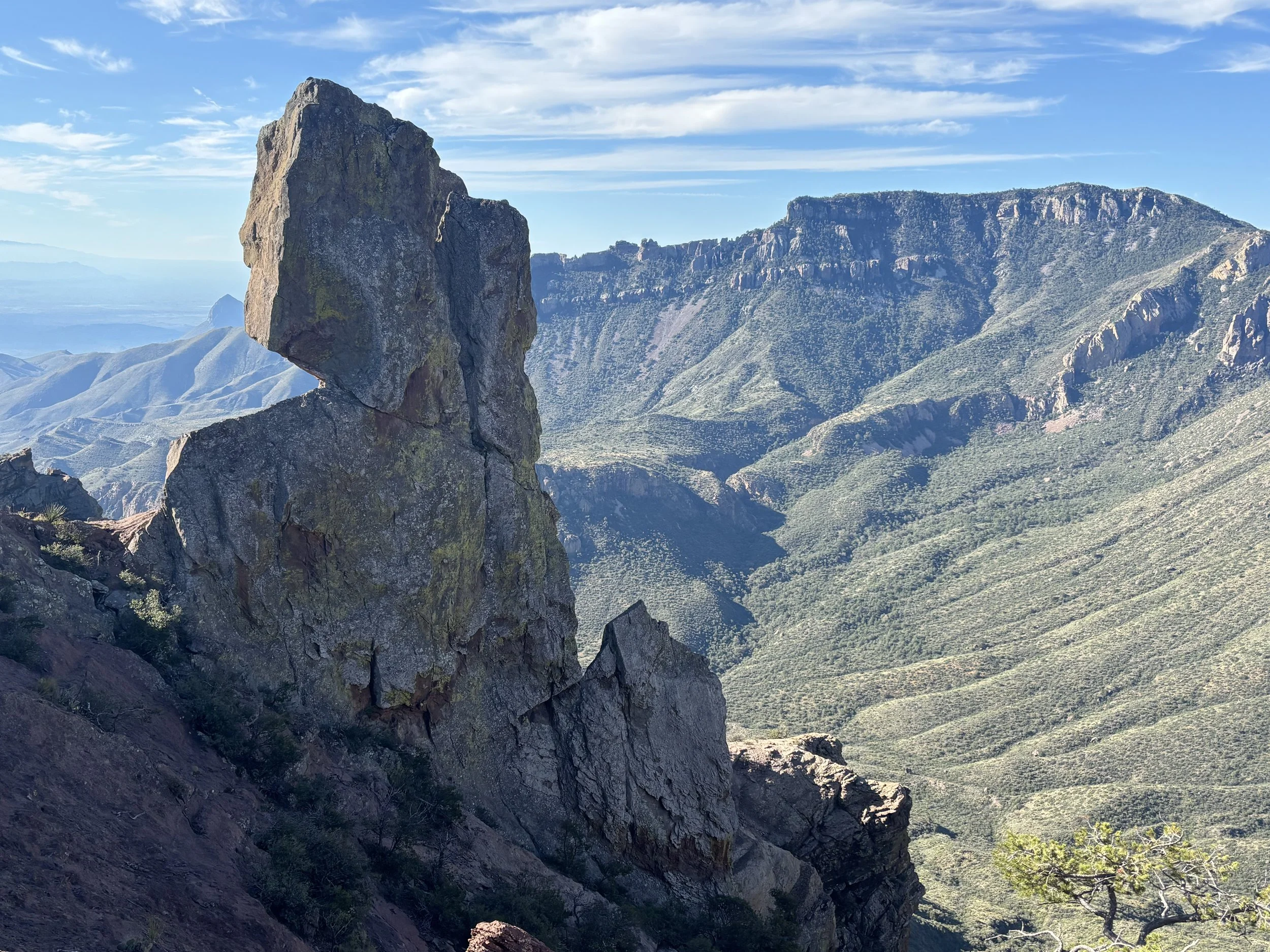
The mountains within Big Bend form the Chisos basin which offers unbelievable hiking opportunities. Our first hike was the Lost Mine Trail. Legend has it that the Spanish discovered a deposit of silver at the top of one of the mountains. They enslaved the local people and forced them to dig and work a mine. Eventually, the indigenous people rose up, killed their Spanish oppressors, and sealed the mine so that no one would ever again be able to find it. While most likely untrue, this legend was the source of the name of the mountain, and the trail that climbs to its top. The trail winds through the pine forest to reach the summit where it provides stunning views of the surrounding mountains and basin. Other famous hikes in this area are the Chisos basin loop trail, the window trail, and the Emory peak trail.
The River
Paddling the Rio Grande
Our river experience was multi-faceted.
We started with a drive down the “river road” which, depending on who you ask, is either one of the most beautiful drives in Texas or in all of America. For us, the highlight of the drive was a hike down Closed Canyon Trail. This is an easy hike into a very cool slot canyon. The hike is 1.5 miles round-trip through a canyon that is 10-20 feet wide and 150 feet deep and carved completely by water flowing into the Rio Grande. It is fascinating to say the least. Safety tip: never go if it looks like it might rain. Bad things could happen!
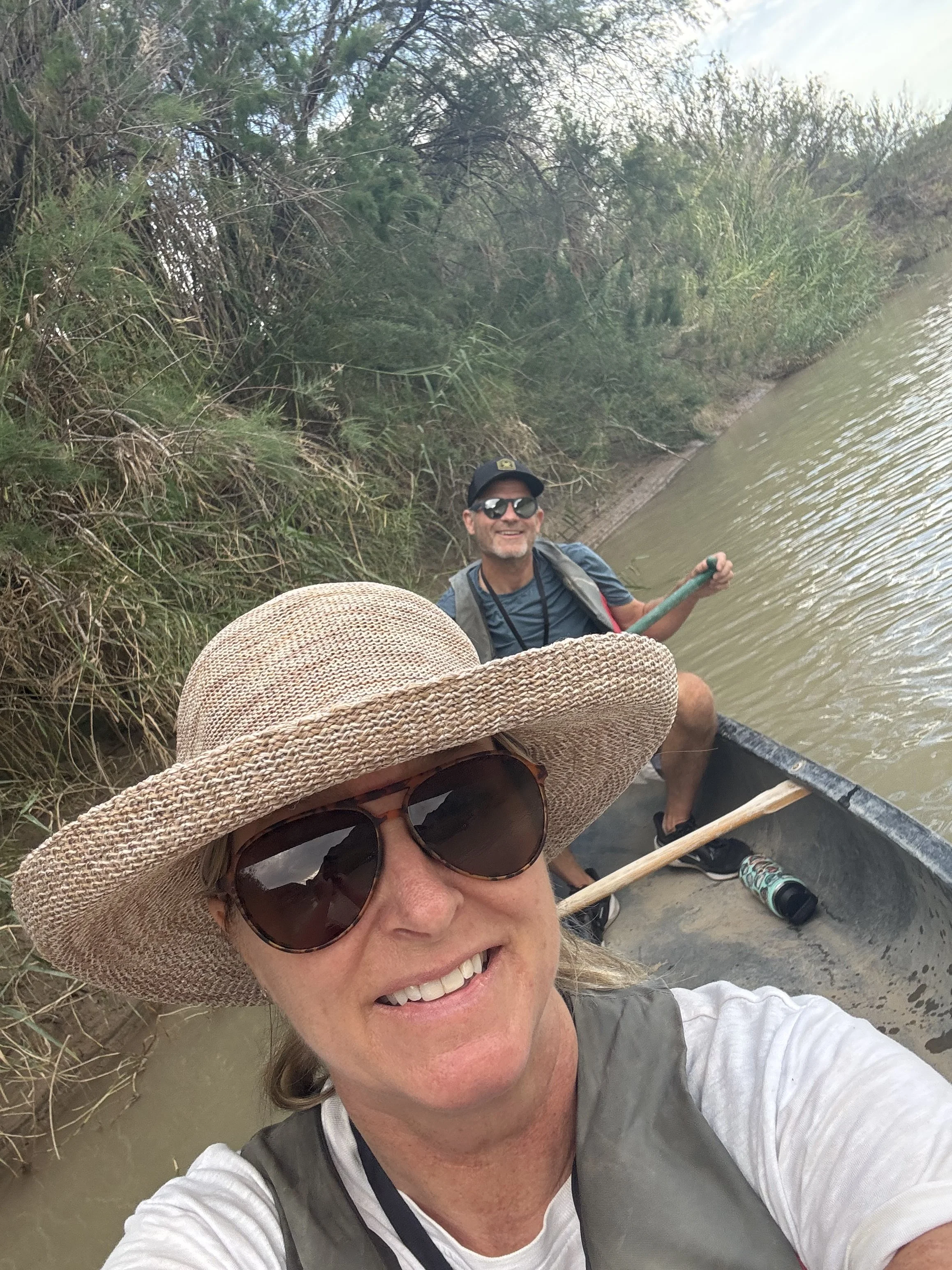
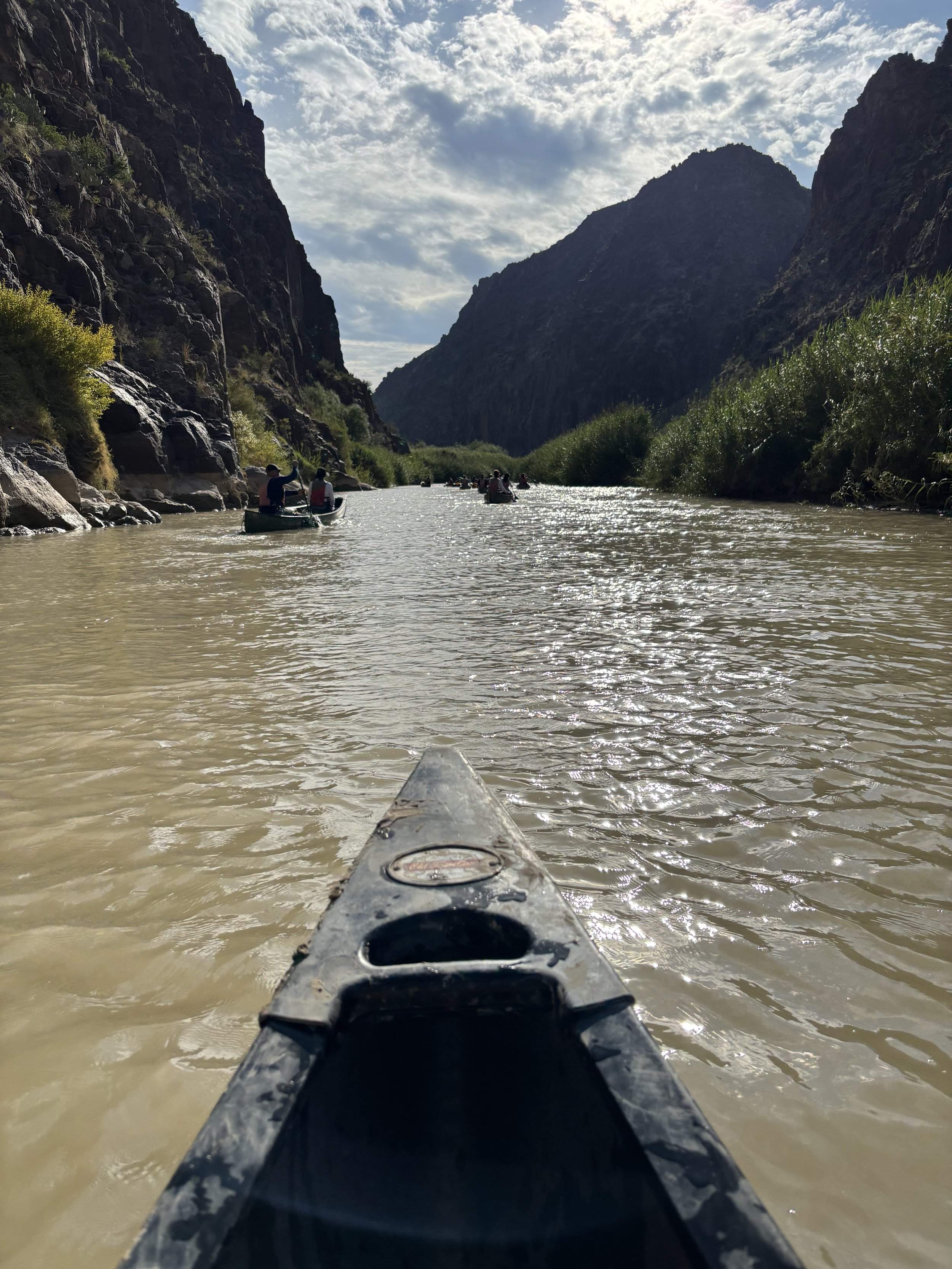
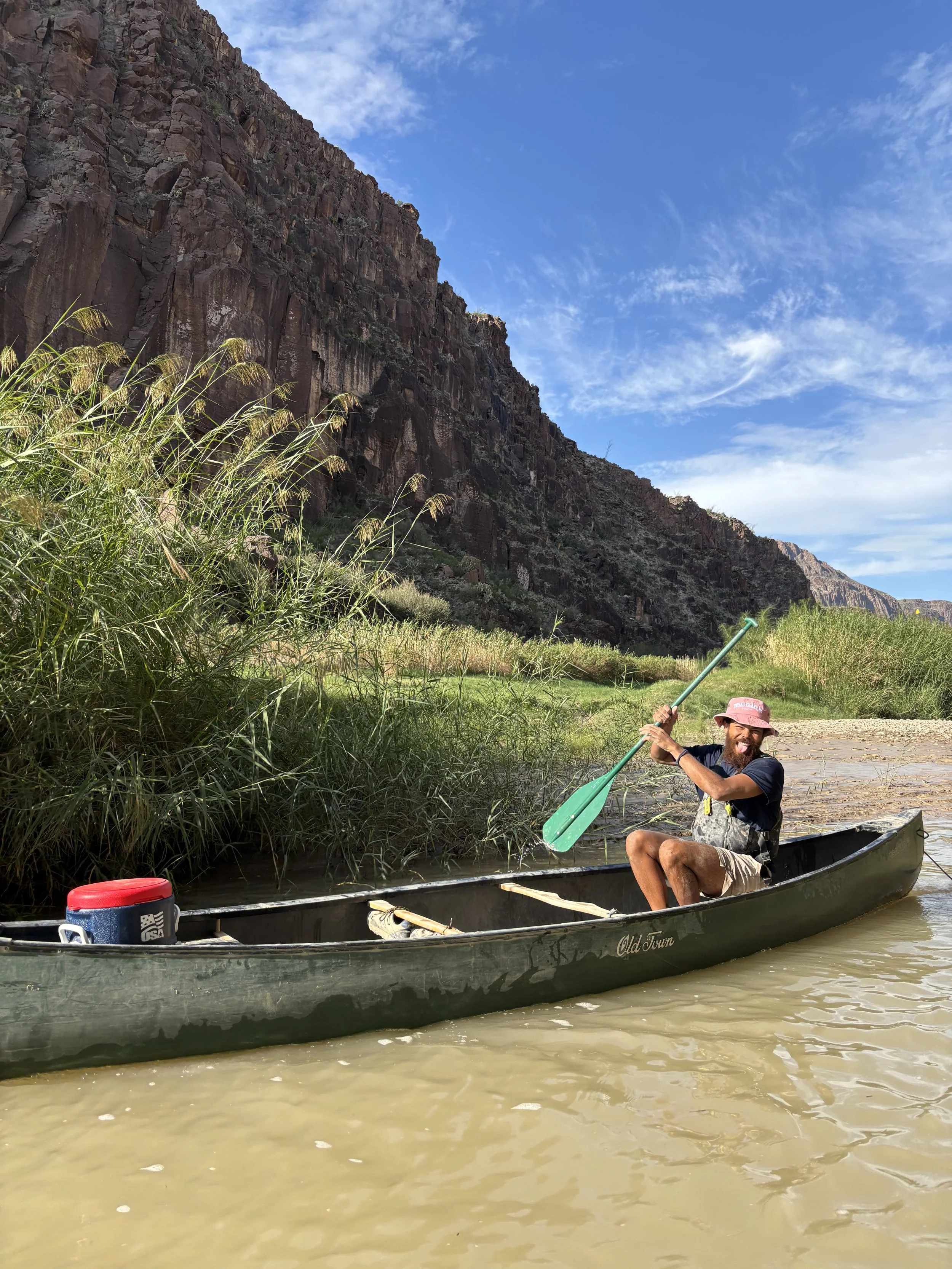
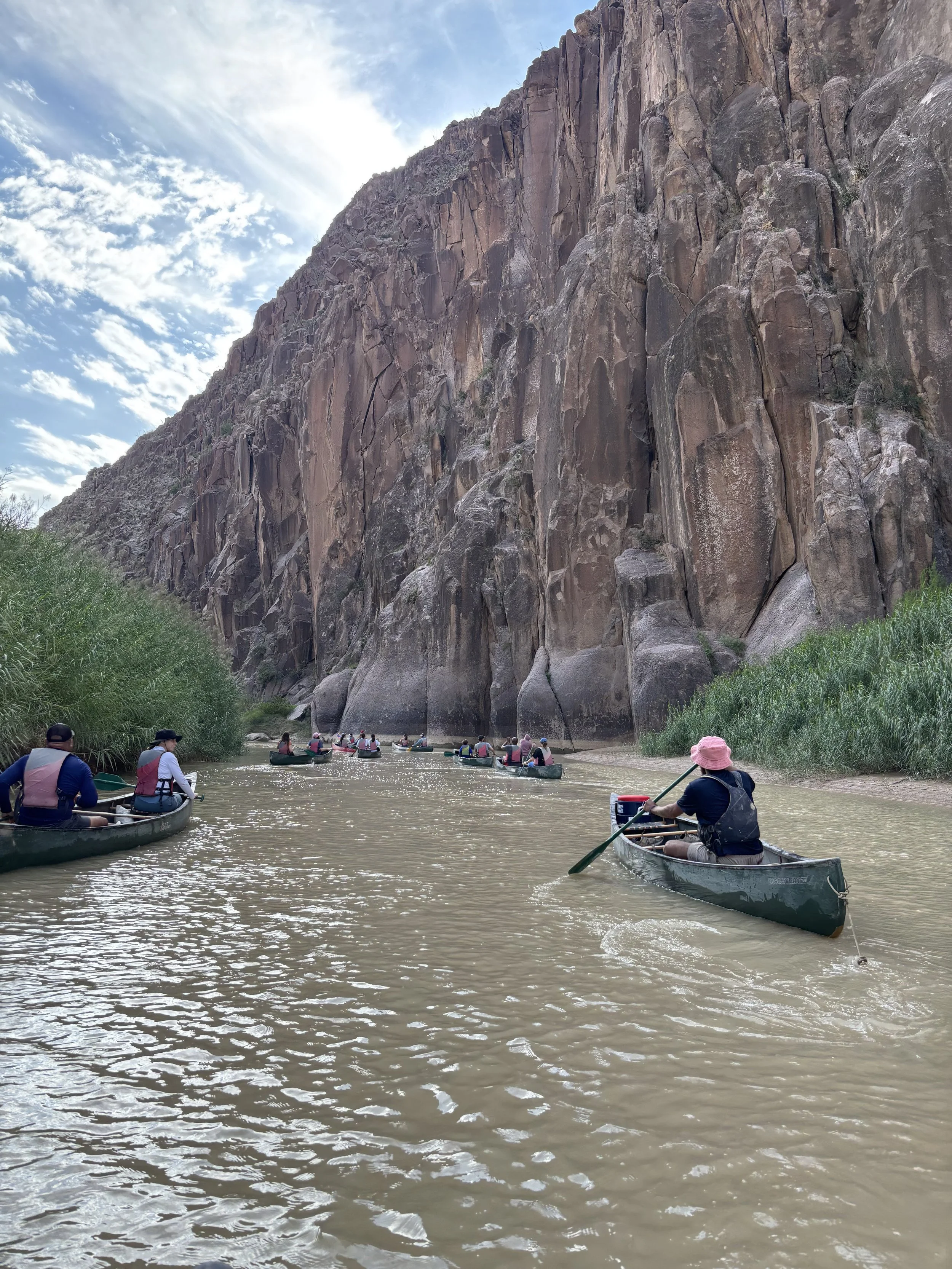
Next up was a canoe trip down the Rio Grande through Dark Canyon. While this technically falls just outside the park, it still gave us a great, up-close feel for the river which is surprisingly small. In most places, it is less than 50 feet wide (and sometimes as little as 10 feet), and averages 1 to 3 feet deep as it runs through the park. The phrase “small but mighty” comes into play as this little river, over millions of years, carved its way through the underlying limestone creating canyons as deep as 1800 feet. The river is usually pretty placid with a few small rapids that keep the trip interesting without being life threatening. The trip also gave us the opportunity to stop on the Mexican side of the river which, while on the other side of the international boundary, looks remarkably like the US side.
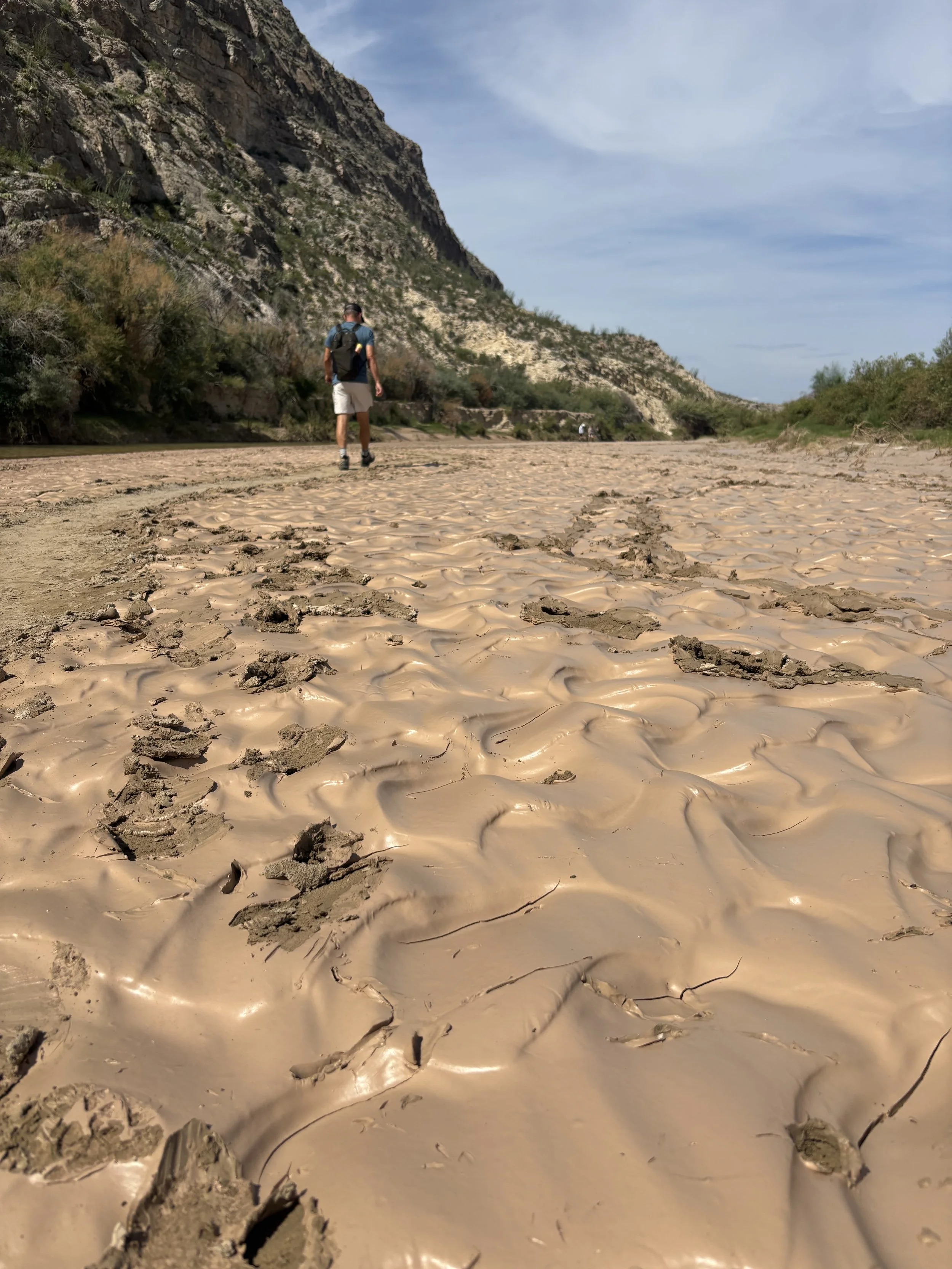
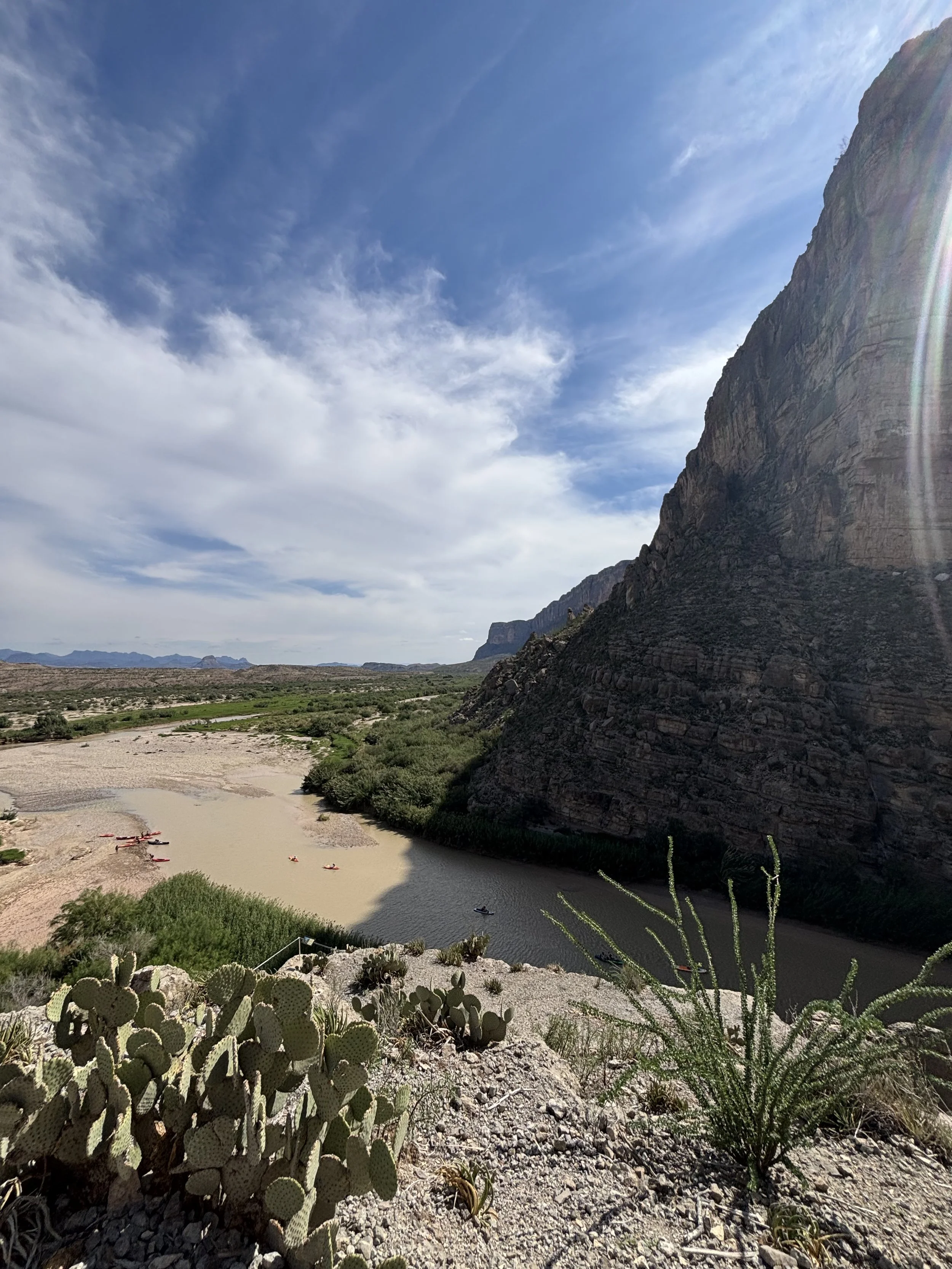
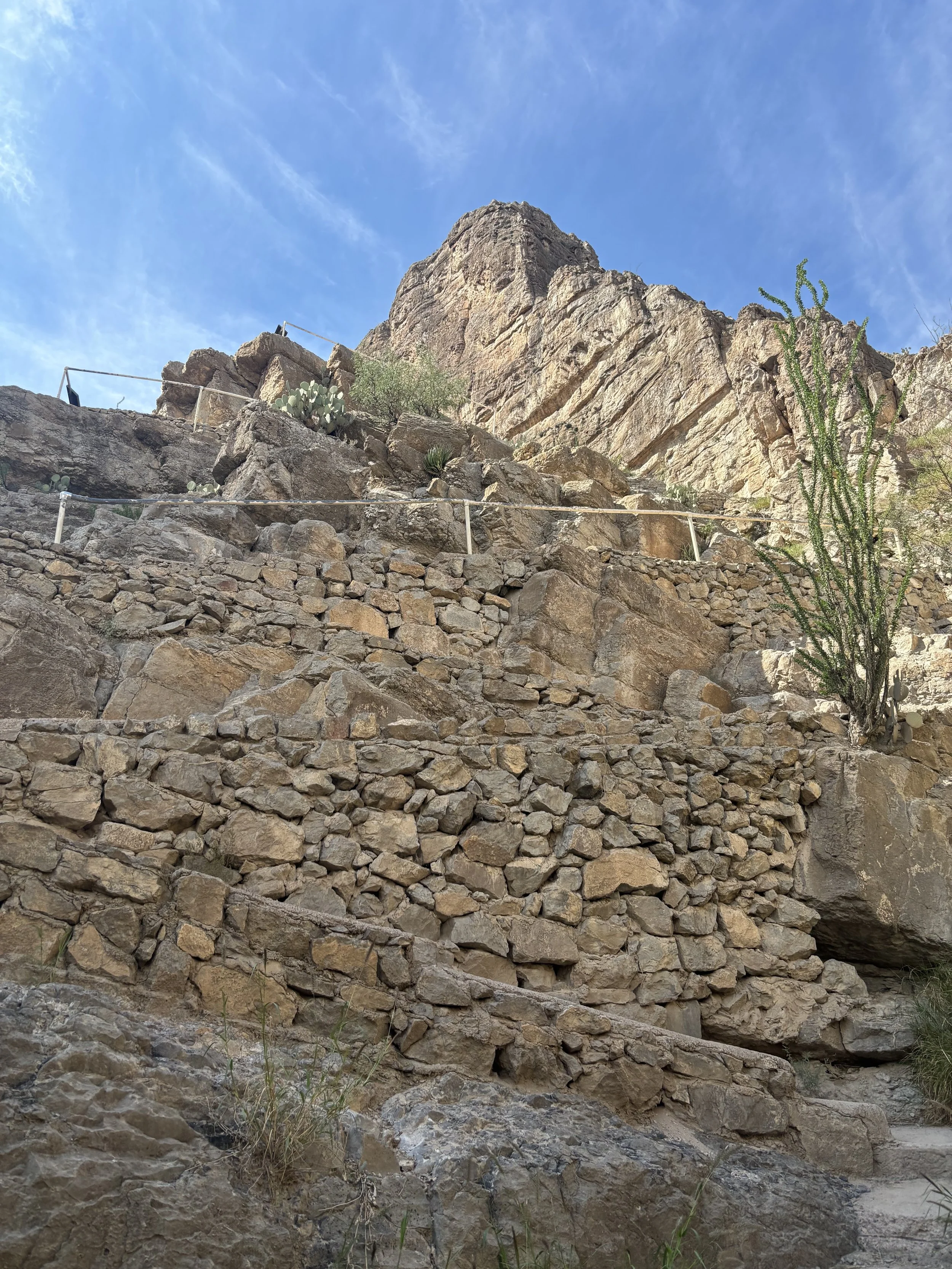
We also got to appreciate the river from the land as well. There are two impressive canyons at opposite ends of the park. On the west side, there is the Santa Elena Canyon while the east side features Boquillas Canyon. We hiked into Santa Elena on one of the more interesting trails we have yet experienced. The hike included a walk across a muddy feeder creek, scrambling up a 6 foot embankment, climbing 180 feet up the canyon wall via a set of switchbacks and concrete steps, and a descent back down to the river’s edge. The canyon is as narrow as 30 feet at the bottom with walls that climb to over 1500 feet in height. It was amazing!
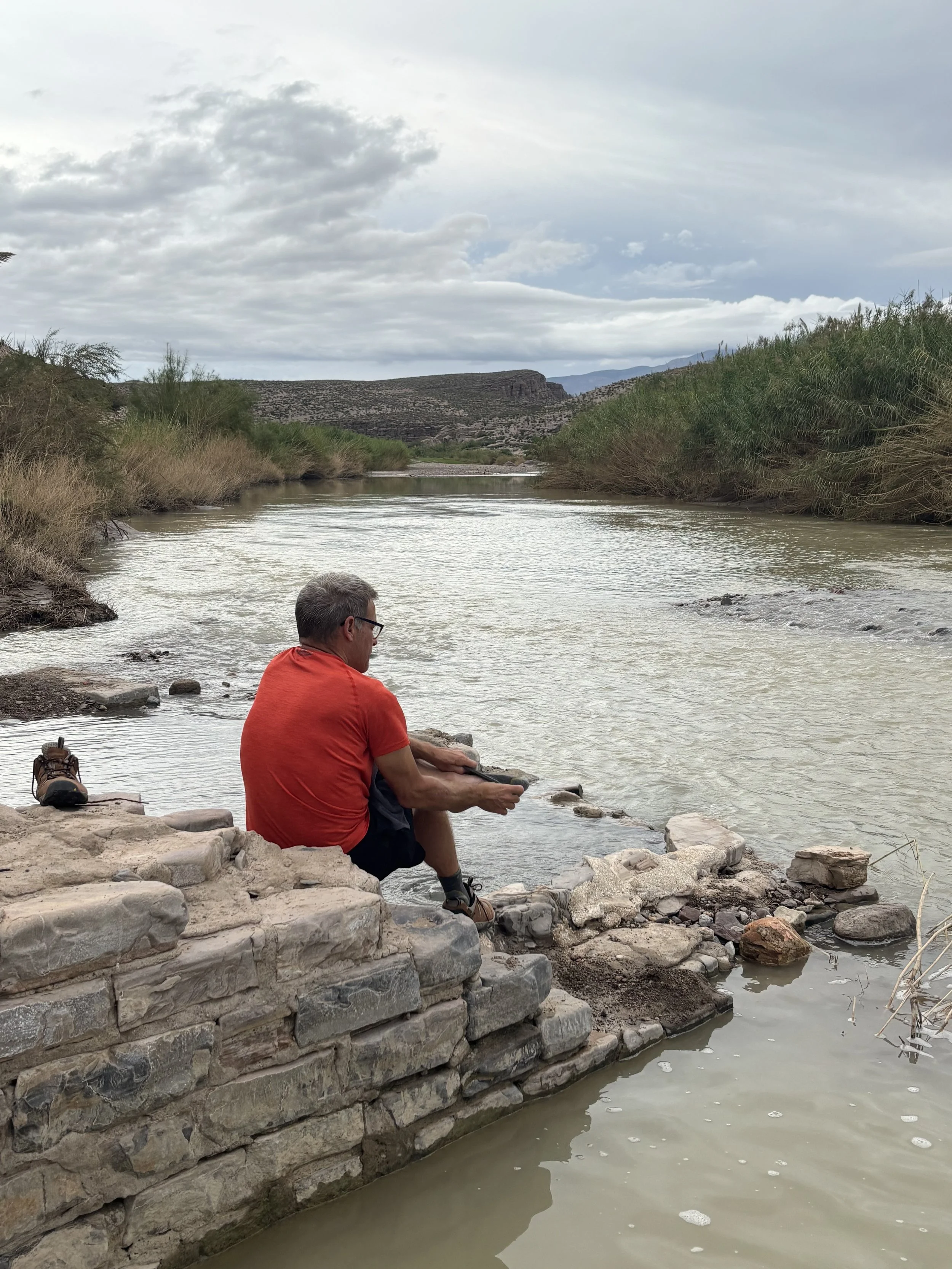
Our final fun river-related experience was visiting a natural hot springs where 105 degree water bubbles up from the earth and dumps directly into the river. Around 1900, an enterprising businessman built a wall at the water’s edge to create an early, large scale hot tub where tourists could come enjoy the “healing benefits” of soaking in hot, mineral-rich water. There are only ruins today, but enough so that you can enjoy a nice hot soak as the river rolls by just a foot away!
The Desert
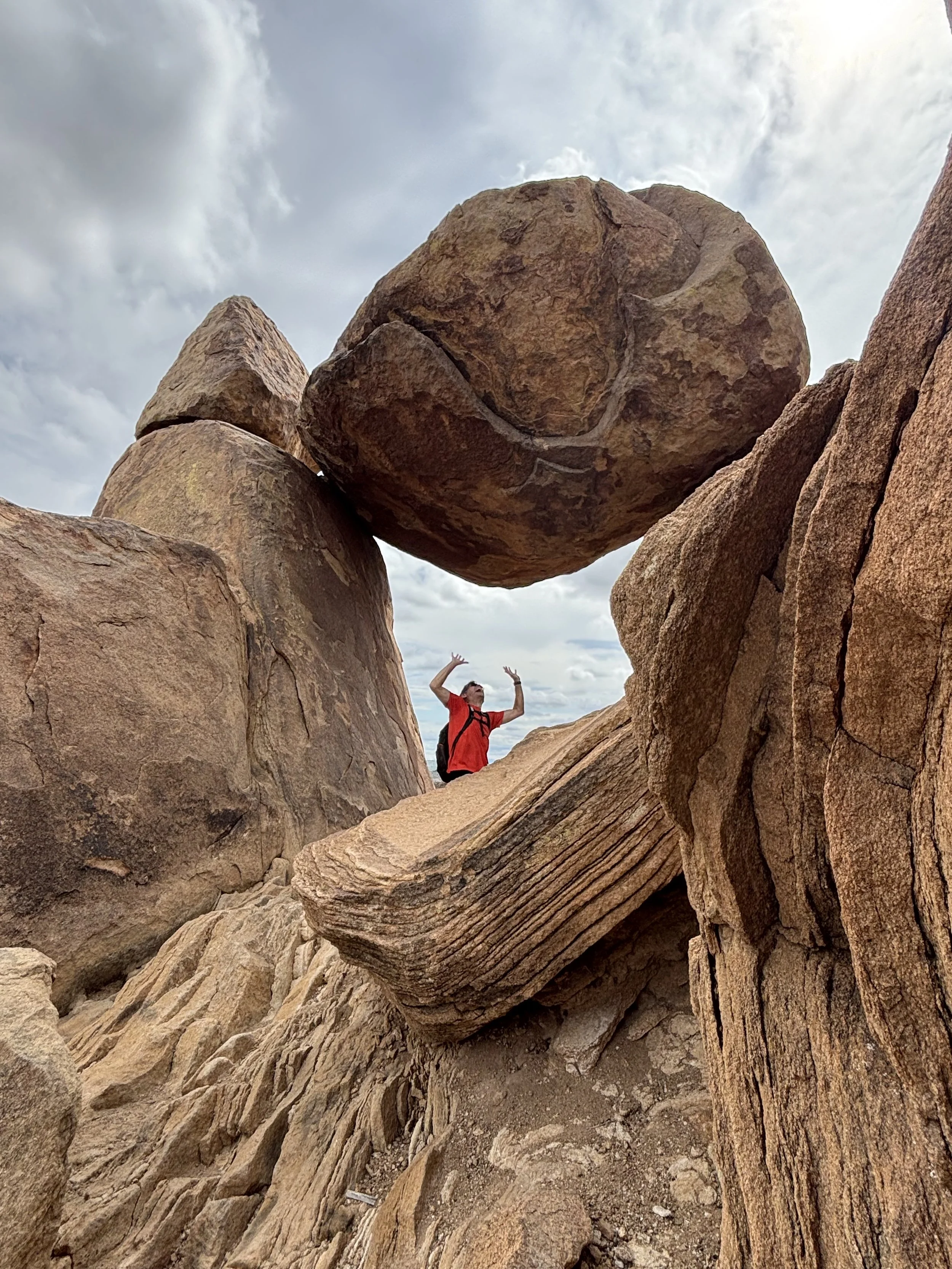
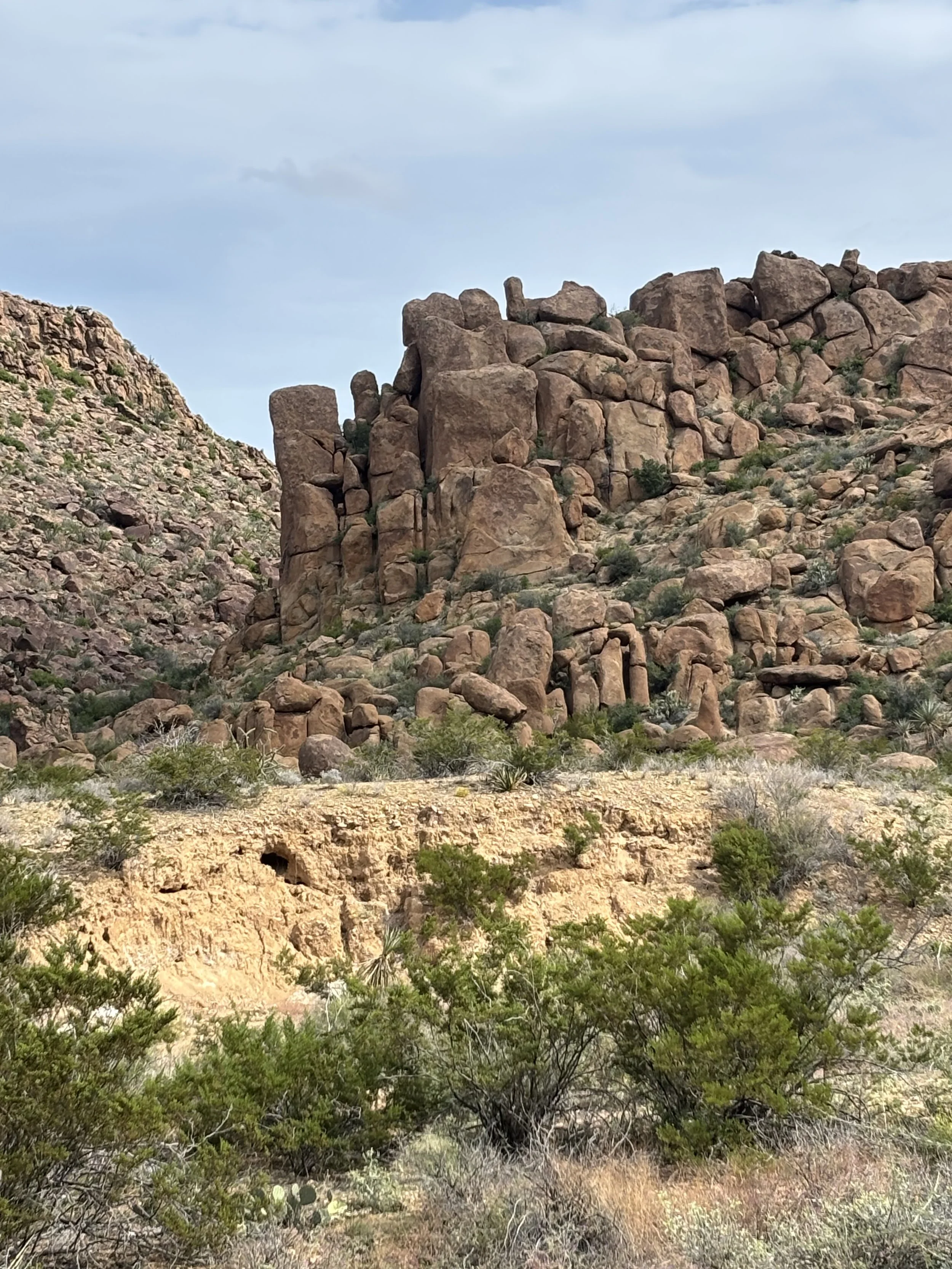
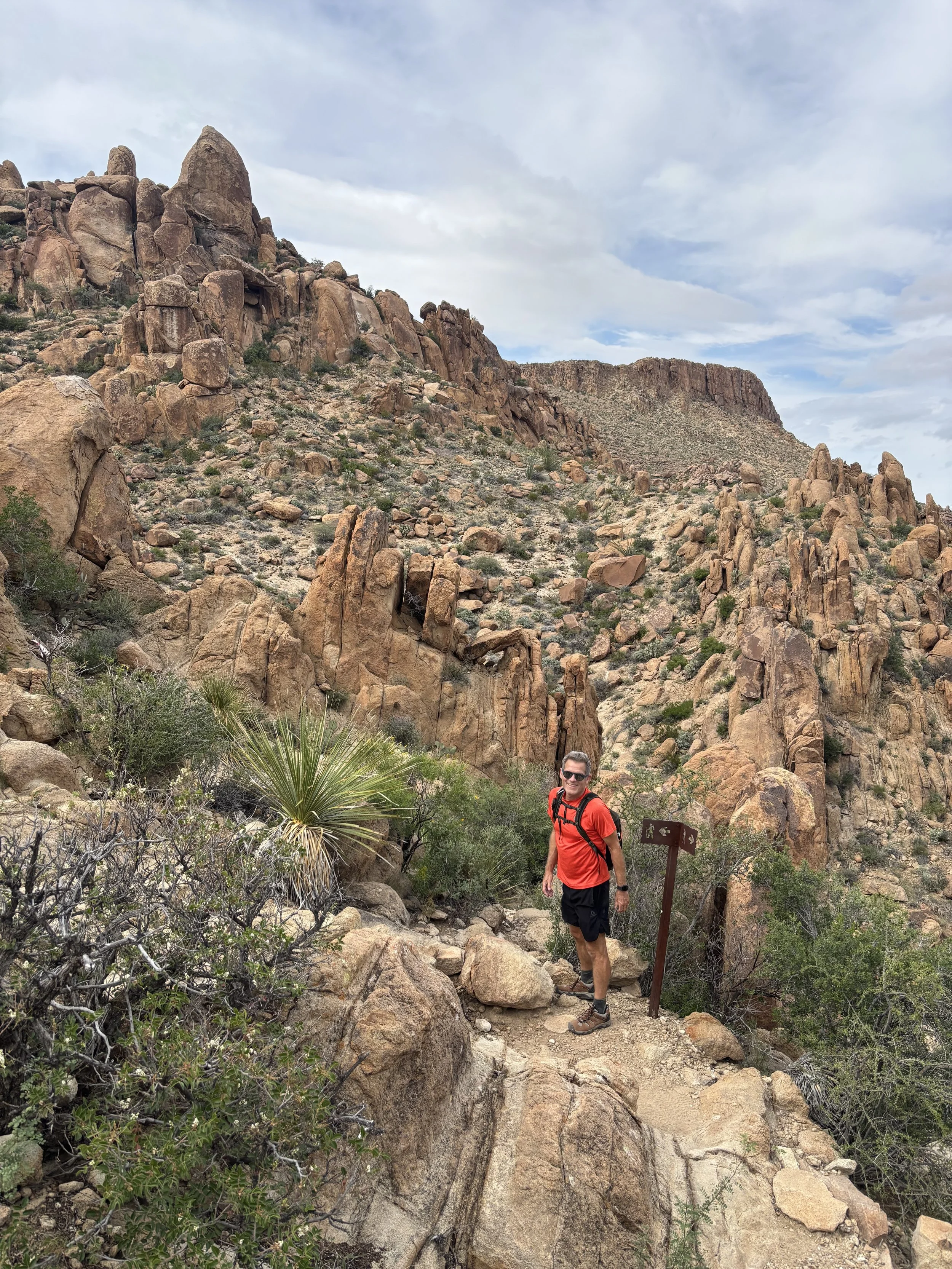
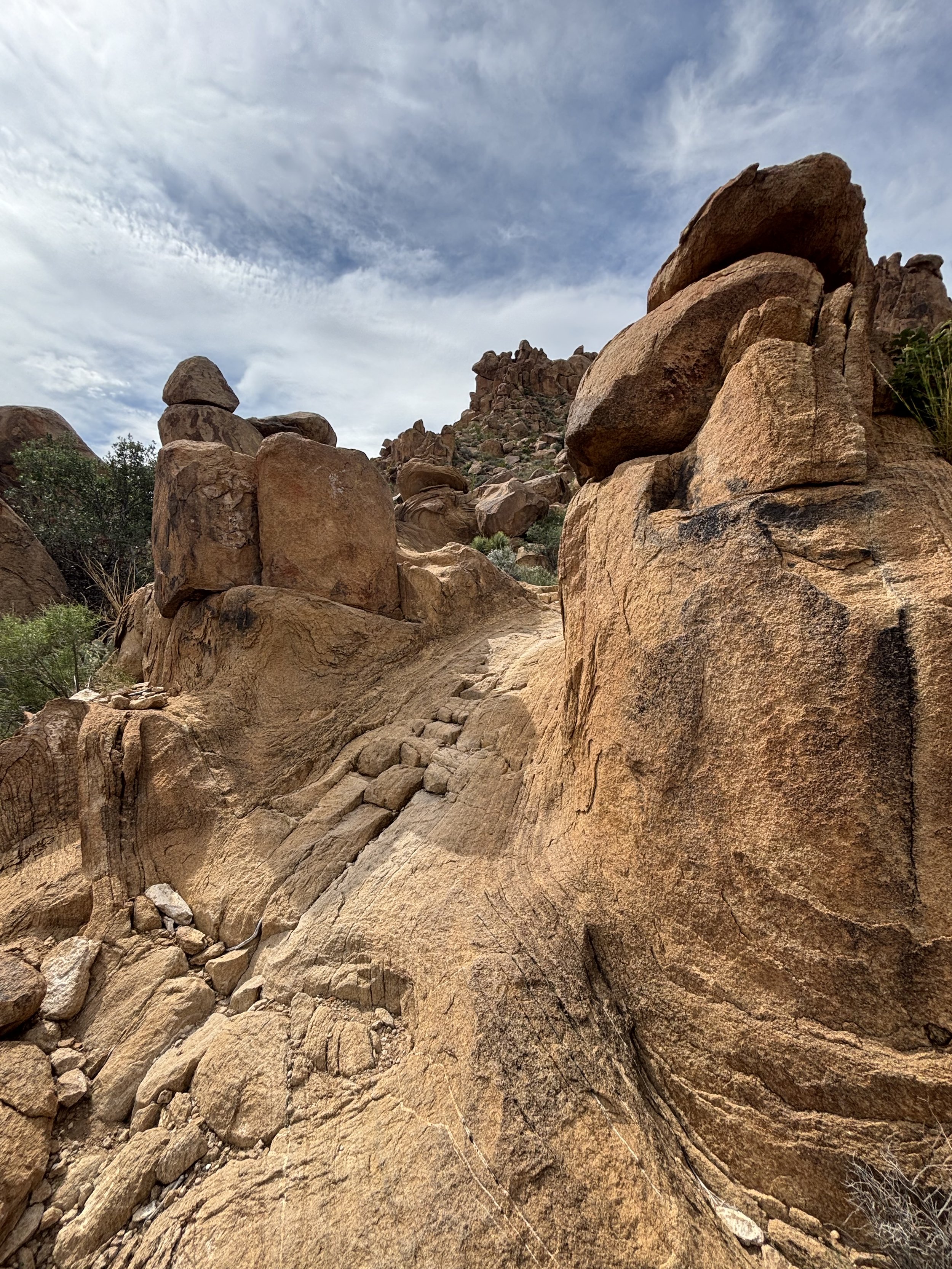
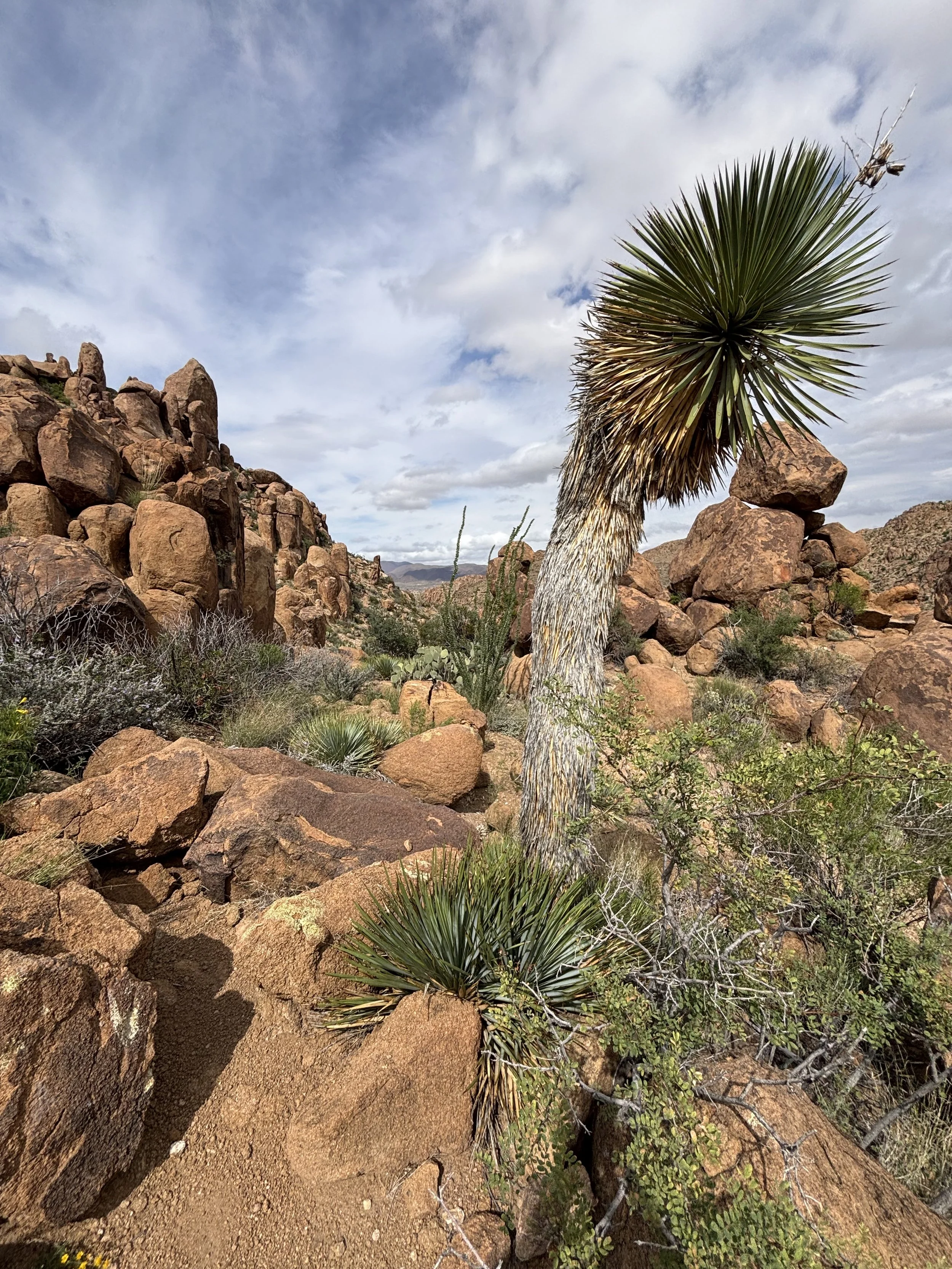
We spent considerably less time in the desert portion of the park. We did, however, do a wonderful hike to one of the park’s iconic natural features…..balancing rock. This was one of those hikes where the journey to the destination was probably better than the final payoff. We hiked through an other-worldly landscape consisting of thousands of individual rocks ranging from the size of a baseball to the size of a building. It almost looked like they had just been dumped there. We kept trying to think of what famous movie it reminded us of most!
In the end, we came away surprised and impressed. Having arrived with very low expectations, we left agreeing that the park was definitely worth the visit.
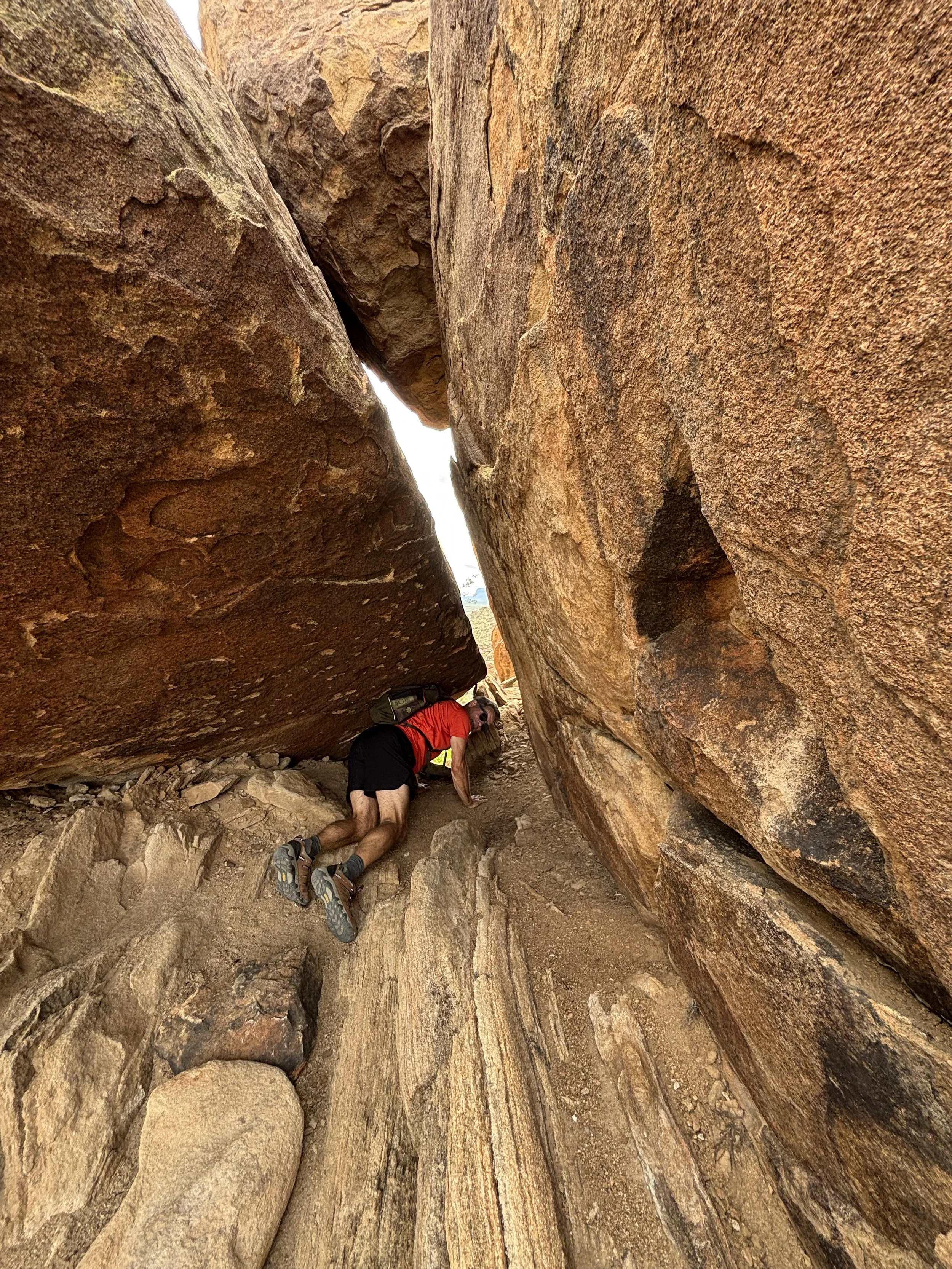
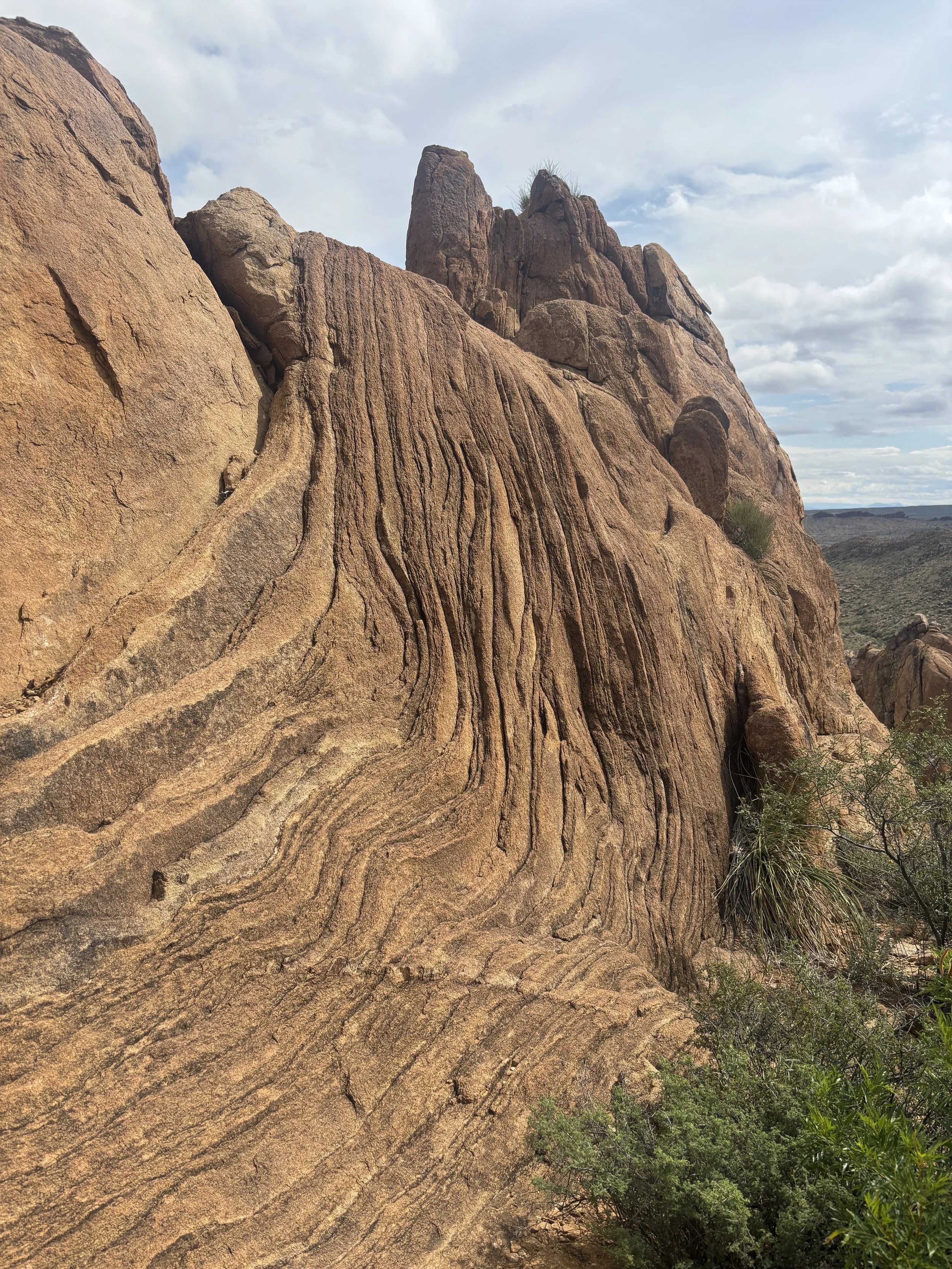
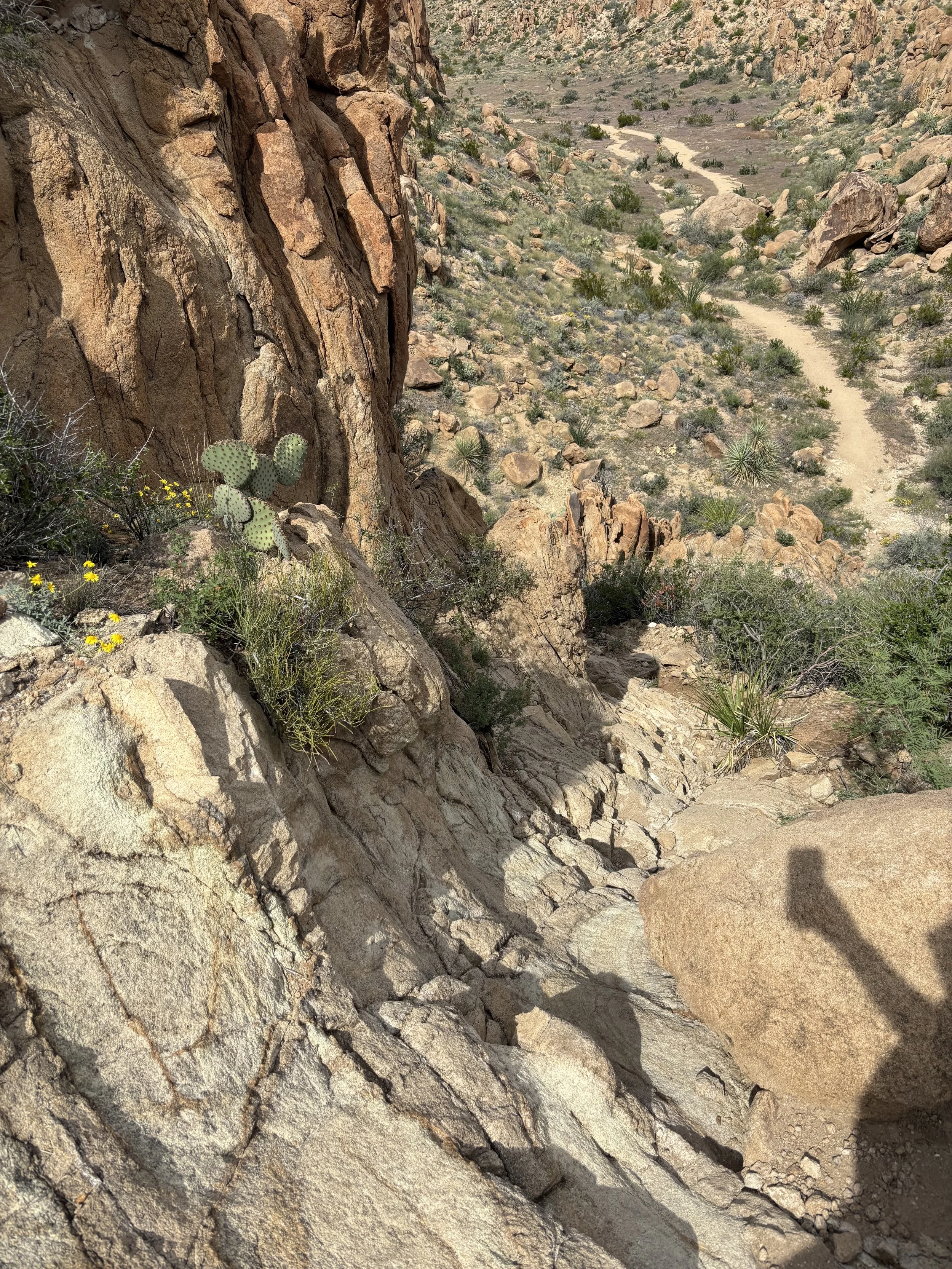
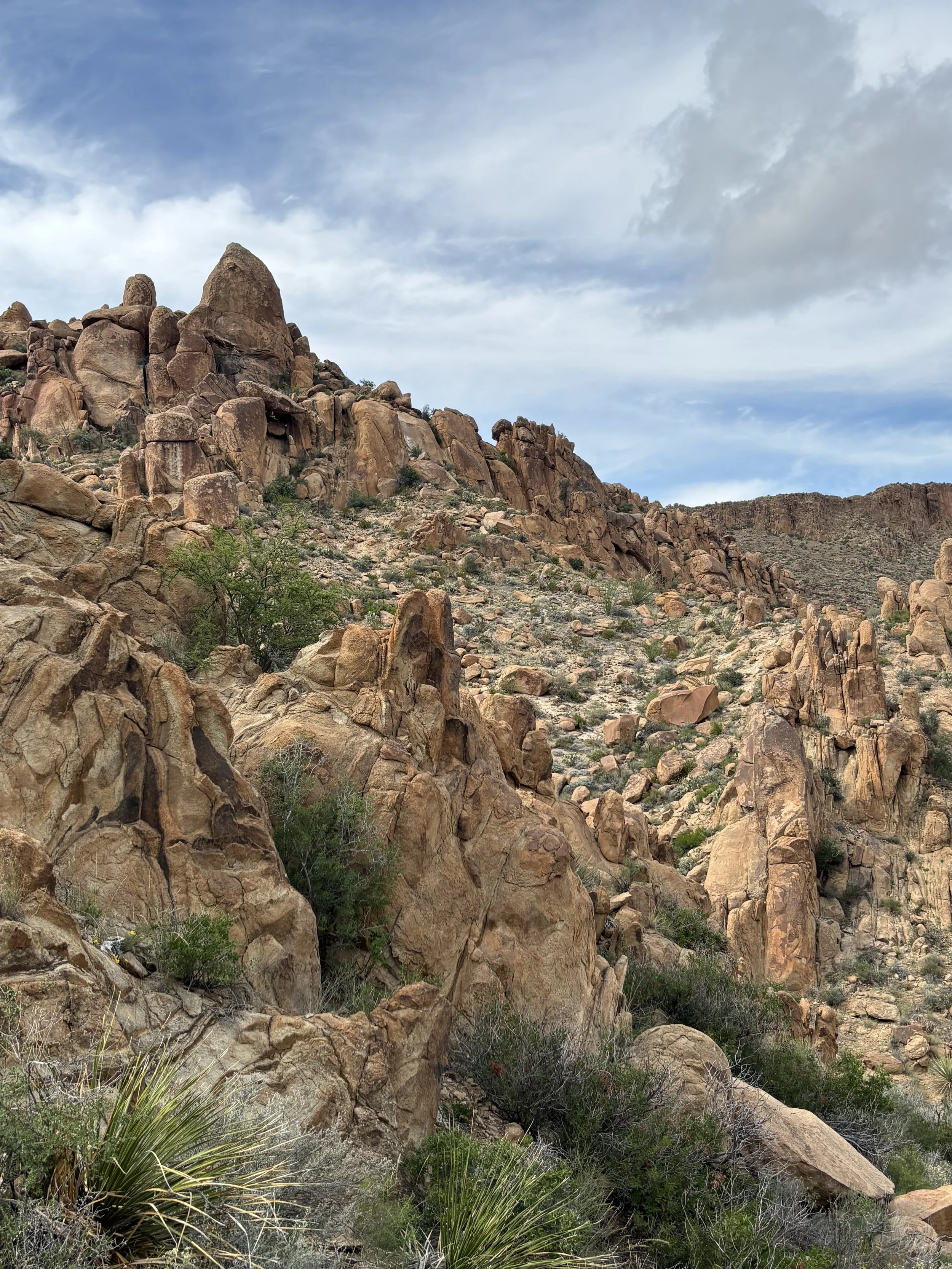
And then there are the other things……
So much happened on this trip, and some of it just doesn’t fit nicely anywhere else. So, here goes…..
Mayor Clay Henry
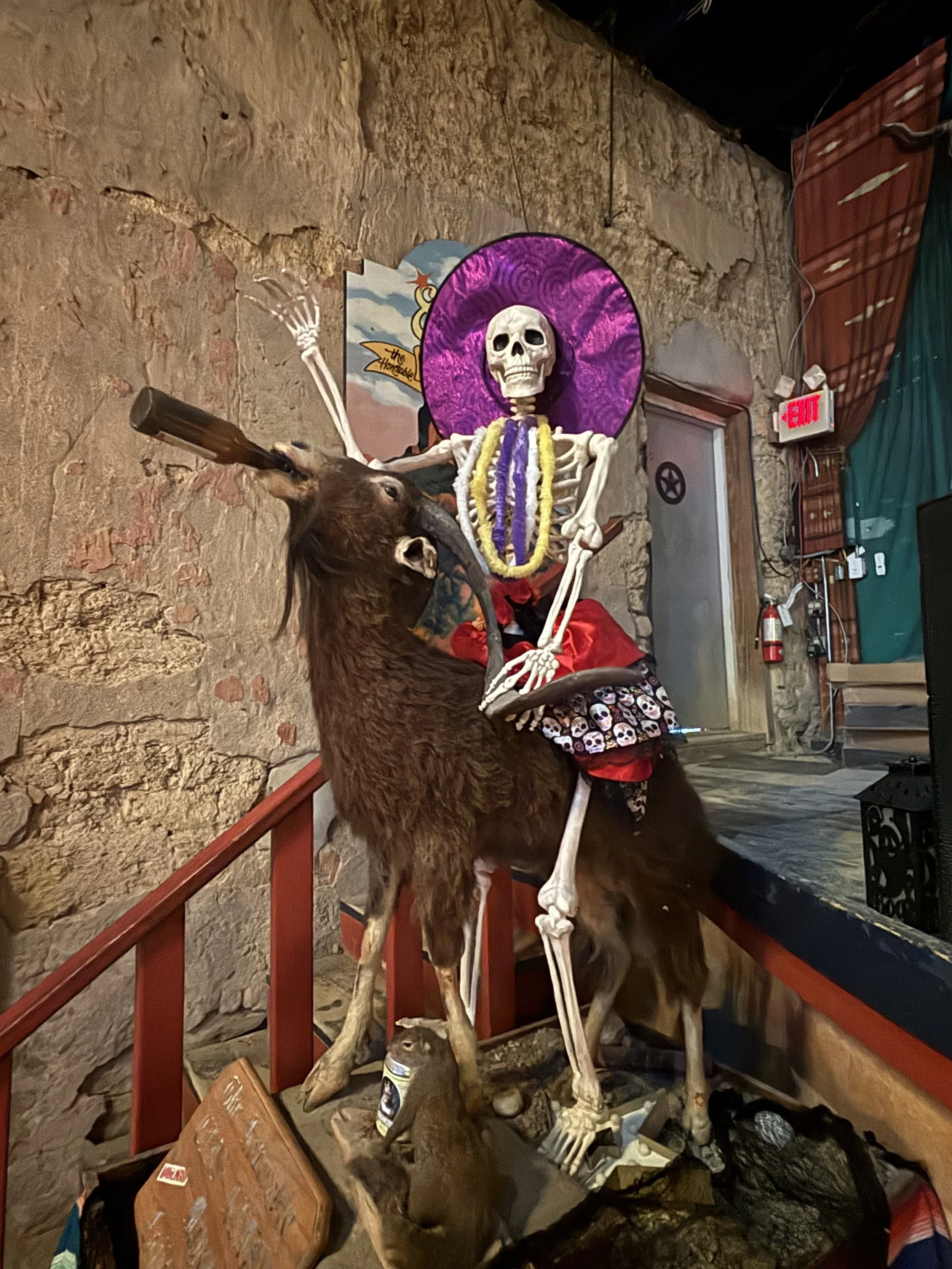
We learned that the town of Lajitas (rhymes with fajitas), Texas has a most unusual mayoral history. Since 1986, all the town mayors have come from the same political dynasty. It started with Clay Henry Sr. who loved to drink beer from a long-neck bottle, and continued on through Clay Jr., Clay the 3rd, and now Clay the 4th. That’s right, four generations of mayors from the same family.…father to son to grandson to great-grandson. BUT, that’s not the weird part! The weird part is that all four Clay Henry’s have been goats…. and not the “greatest of all time” kind of goat, but rather the 4-legged, tin can eating (and beer drinking) kind.
Weird but true!
Dancing with the Tarantula
Ripped from the pages of National Geographic…..
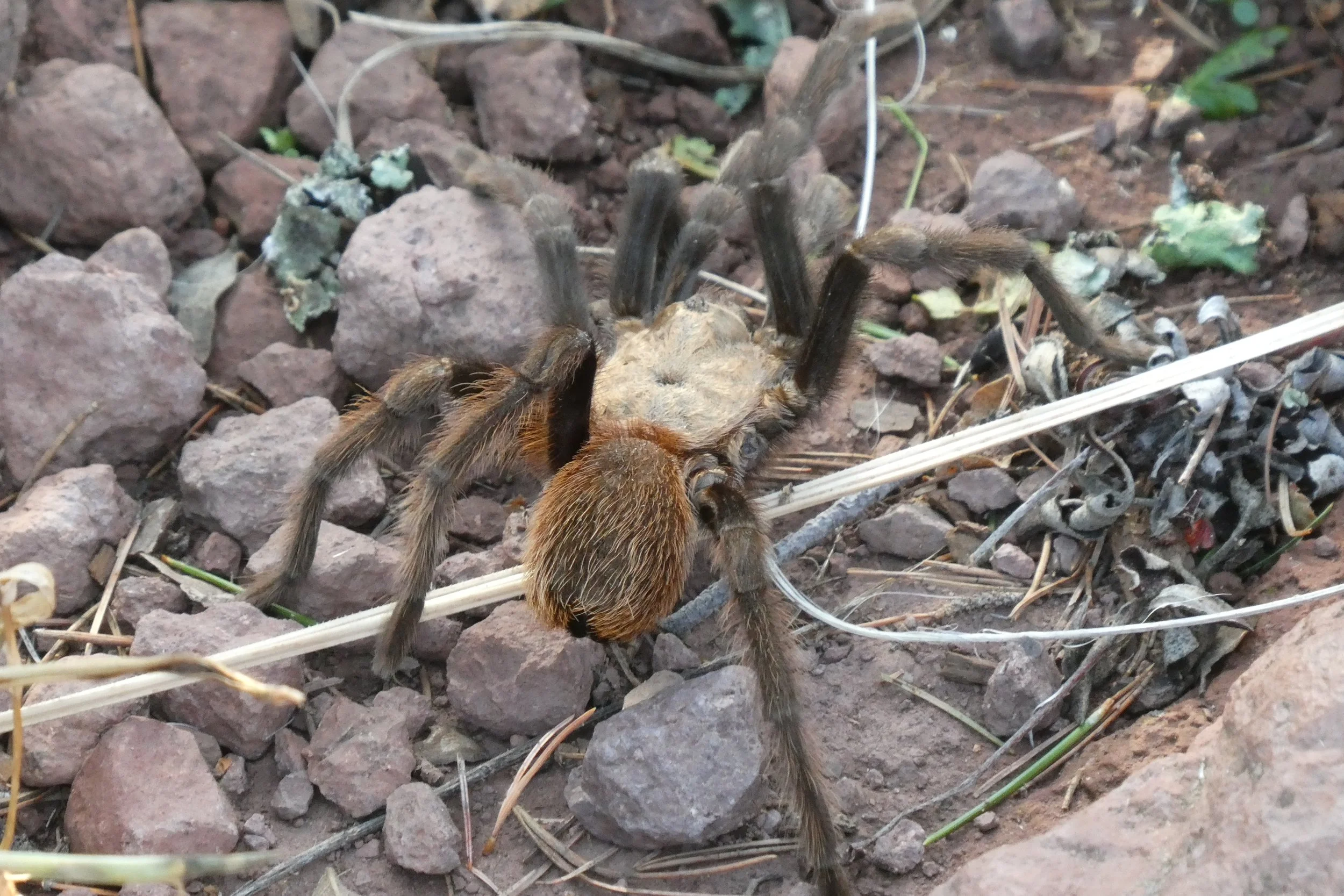
We happened to be in Big Bend during tarantula mating season where we learned of the bizarre mating rituals of these spiders. Apparently, male tarantulas spend their days looking for their female counterparts who are hiding out in their burrows. Once they find a potential mate, the males do a dance, of sorts, to impress the female. If she likes his dance, she allows him into her lair and they mate. So far, so good. If, however, he overstays his welcome after the deed, she will kill, and occasionally eat him. As tragic as that sounds, if she doesn’t like his dance, she may come out and kill him anyway, just without the payoff of a spider quickie! Talk about pressure. We’d like to see the folks on “Dancing with the Stars” perform under those terms!
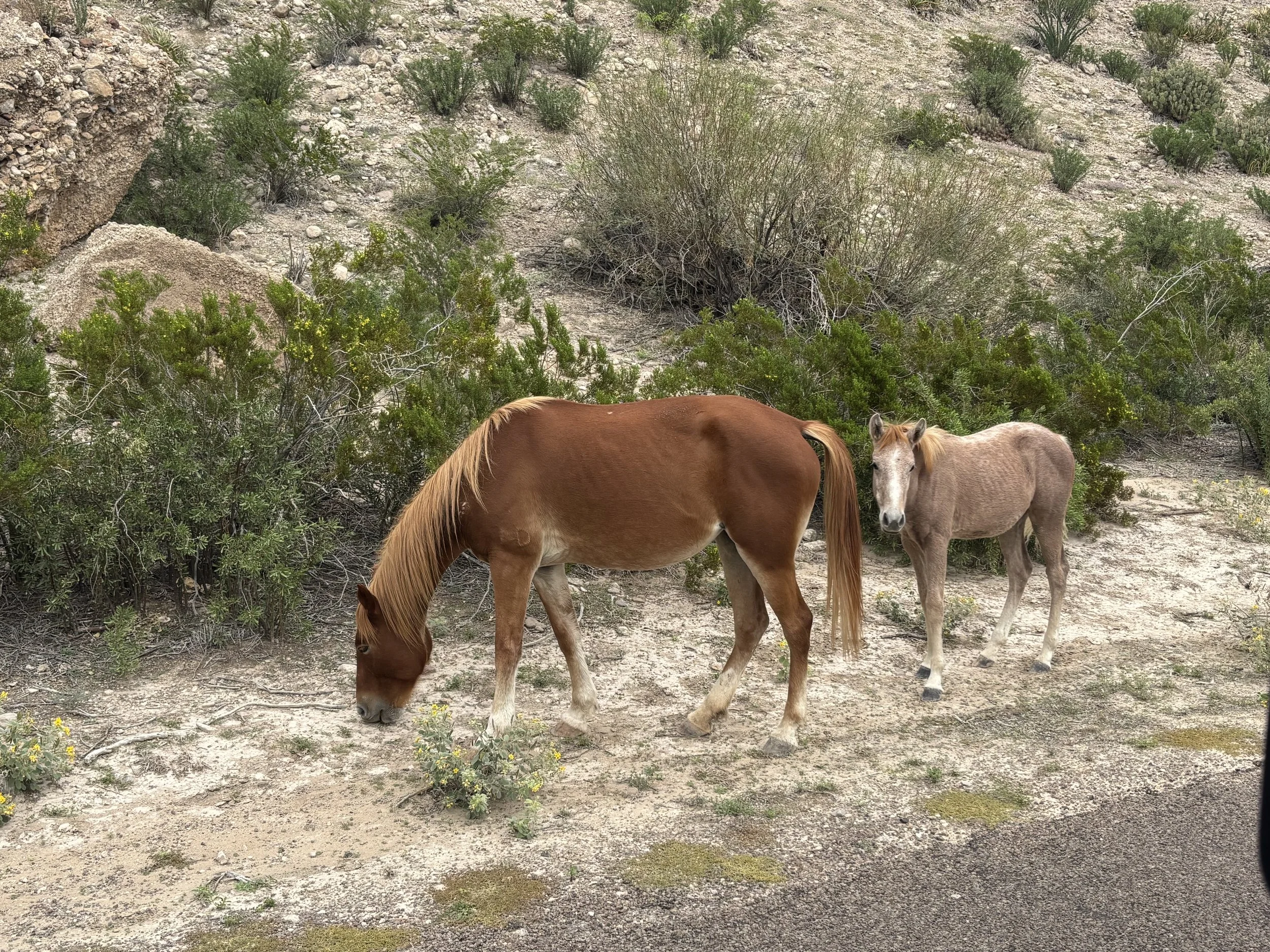
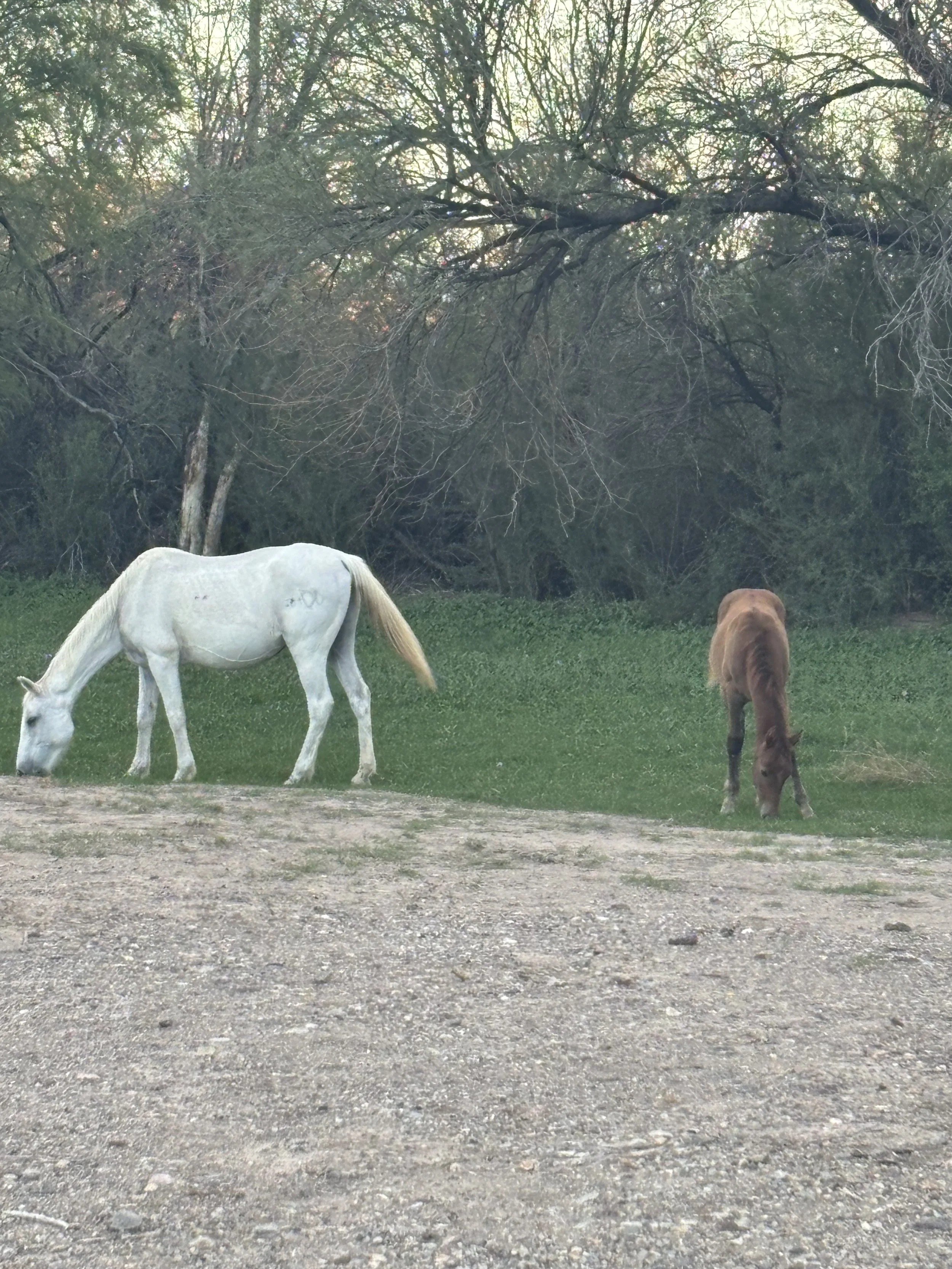
Wild Horses & Donkeys??
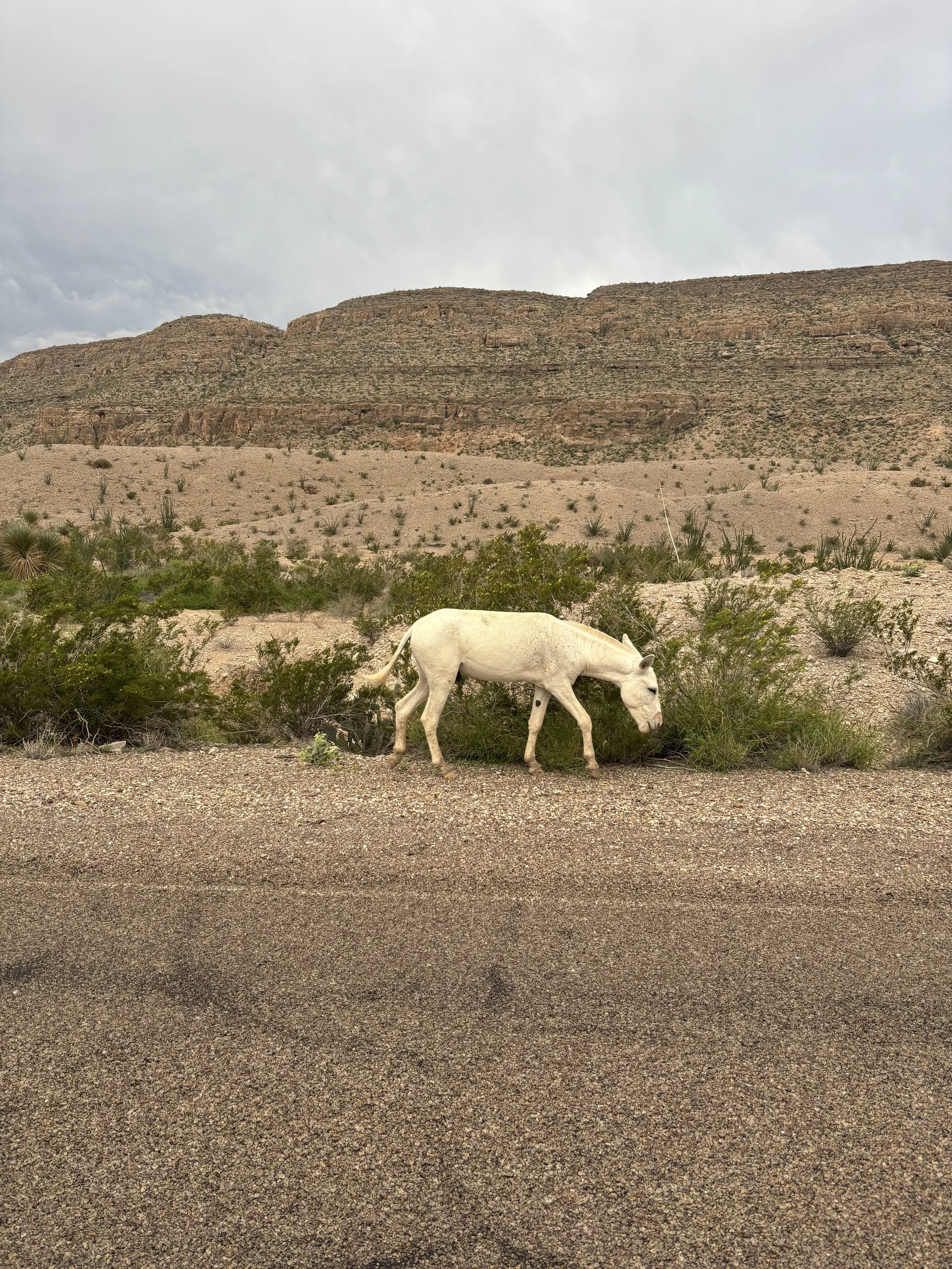
We saw a lot of wildlife in the park, the most interesting of which was a wild donkey who frequented our campground daily. One day we saw him walking down the main park road. A couple hours later, we passed him again a few miles further down that same road. This time he was accompanied by a park ranger. She was driving alongside him with her lights flashing. As we pulled up next to her, she told us he was a Mexican donkey who had wandered across the river and into the park. We later learned that this happens regularly with both donkeys and horses. These illegal donkeys and horses are eventually rounded up and, in most cases, are auctioned off in Texas.